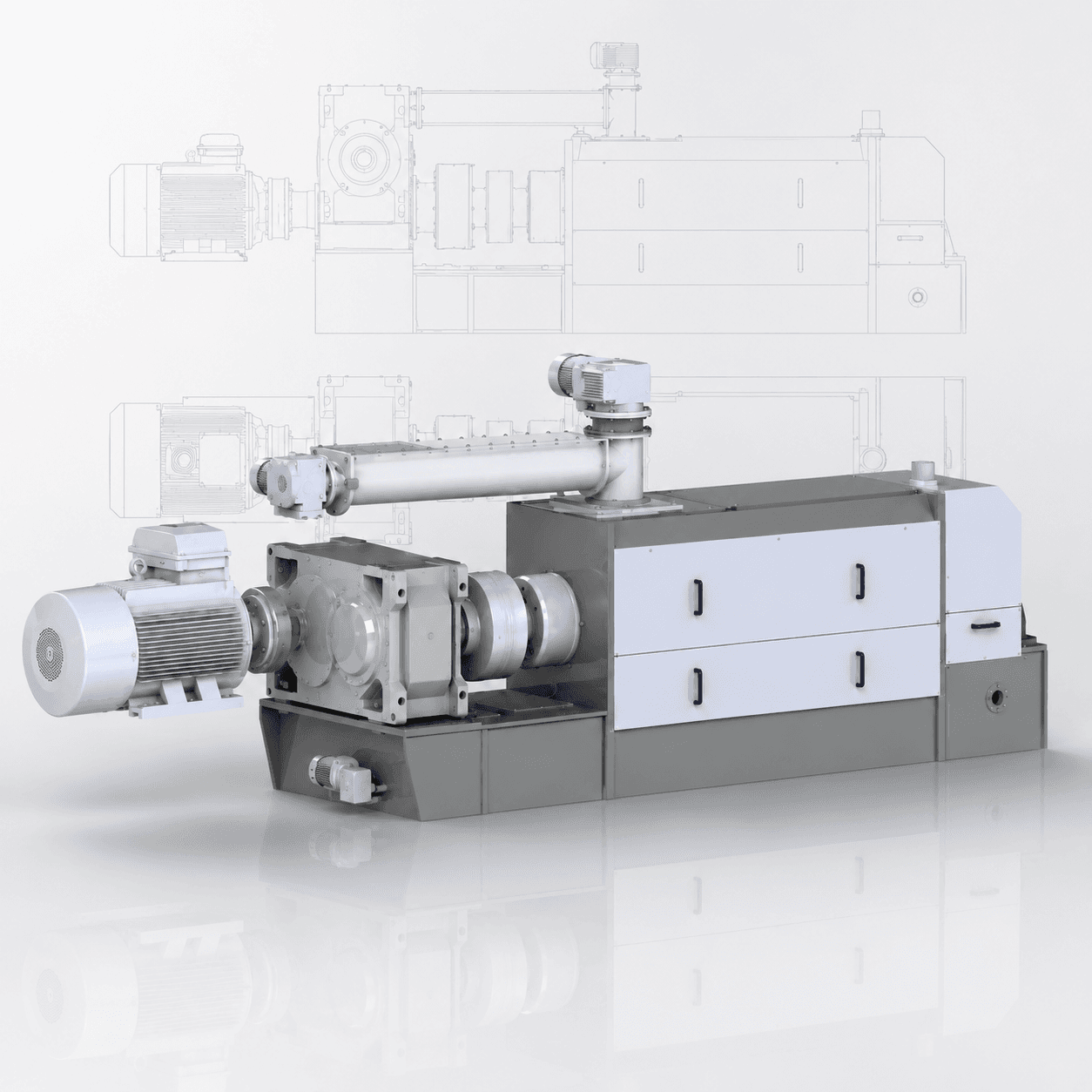
Why Oil Needs Filtration After Pressing
Oil coming straight out of a screw press (pre-press oil) is never a clean liquid. Along with it, the press carries fine cake particles, protein and mucilage impurities — collectively known as sediment, or foots. Before this oil can go to storage, further processing, or extraction, it has to be cleaned.
What happens without filtration
⚙️ Accelerated equipment wear. Abrasive fine particles in unfiltered oil speed up wear on the seals and working surfaces of the pumps that move the oil further down the process chain.
🌡️ Fouled heat exchangers. Sediment settles on the tubes of shell-and-tube heat exchangers during oil cooling or heating, reducing heat-transfer efficiency and requiring more frequent cleaning of the units.
🕰️ Reduced storage stability. Suspended particles in oil act as sites where oxidation reactions proceed more actively. Unfiltered oil turns rancid faster and stores worse than filtered oil.
📉 Loss of marketable appearance. Cloudy oil with sediment fails to meet buyer requirements or the specs for the next processing step (refining), even when its underlying composition is perfectly fine.
How filtration is typically built
🪣 Settling (pre-stage). Freshly pressed oil is held in settling tanks, where the heaviest particles sink to the bottom under their own weight — this takes the main load off the next, finer filtration stage.
🧻 Filter presses. Oil is pumped under pressure through a stack of filter plates lined with cloth — solid particles are retained on the cloth as a sediment "cake," while clean oil passes through. Once the cake builds up, the plates are opened and cleaned.
🌀 Self-cleaning screen filters. Used for coarser pre-filtration at high throughput — a mechanism periodically clears sediment off the mesh element without stopping the oil flow.
The sediment removed during filtration is not pure waste: it still contains some oil, which is why many plants return it to the raw material stream for reprocessing. Oil filtration rarely makes it into marketing material alongside presses or extractors, but it is exactly what determines the condition in which the finished product reaches the next buyer or production stage.