News

Fundamentals of Oil Mill Design: From Equipment Selection to Process Optimization
Designing an oil mill is not about picking individual machines from a catalog — it is about building a process chain in which the output of every stage matches exactly what the next stage requires as input. A press sized for a different throughput than the roaster feeding it, or an extractor not matched to the distillation station, turns the line into a sequence of bottlenecks — even if every individual machine is well made. The oil mill process chain 1️⃣ Raw-material preparation. Cleaning, crushing and forming flakes of stable thickness — this is where the quality of every downstream apparatus is set. Flakes that are too thin or to

Soybean Processing as a Business: Why It Pays to Stop Selling Raw Beans
Soybeans on their own are a raw material with limited value-add: sell a wagonload of beans for export, collect the raw-material price, and that is the end of the story. Processing changes this economics entirely: the same ton of beans yields two separate products — soybean oil and soybean meal — each with its own market. Why now In Ukraine, the share of soybeans processed domestically has already grown from 39% to 54.2% of the harvest — a historic high. The reason is simple: a 10% export duty on raw seed makes selling it abroad less attractive, while processing becomes correspondingly more attractive. Meanwhile, foreign-currency revenue from soybean oil and

How the Export Duties on Soybean and Rapeseed Worked: Marketing-Year Results
On July 16, 2025, Ukraine's Verkhovna Rada introduced a 10% export duty on soybean and rapeseed seed, which took effect on September 4, 2025. The goal was to encourage processing oilseed crops domestically rather than exporting them as raw material. The marketing year (September 2025 – August 2026) has now produced its first results. Rapeseed 📈 Domestic rapeseed processing grew 2.7-fold compared to the previous marketing year 🛢️ Rapeseed oil exports increased 2.5-fold 🌾 The share of the harvest processed domestically rose to 42% (up from just 15% a year earlier)
Market Trends: Ukraine Reduces Soybean Exports While Boosting Domestic Processing, Analysts Report
Market Trends: Ukraine Reduces Soybean Exports While Boosting Domestic Processing, Analysts Report Significant structural shifts are taking place in the Ukrainian soybean market. According to industry data, soybean export volumes from Ukraine have dropped by nearly 40% over the past year, while domestic processing of the oilseed is showing steady growth. Key Drivers of Change: Shifting Export Priorities: Analysts attribute the decline in exports to logistical challenges and changes in state policy. The introduction of export duties for certain categories of suppliers has made direct raw material shipments less profitable compared to processing it within the country. Record Processing Volumes

Soybean Market in Ukraine: Domestic Prices Decline Amid Softening Demand and Rising Processing Focus
The Ukrainian soybean market is currently undergoing a price correction, with domestic raw material values decreasing significantly over the past month (dropping by roughly 1,700 to 2,000 UAH per ton) to hover around 21,000 UAH/t on a CPT basi. The downward trend is primarily driven by reduced competition among exporters and a temporary slowdown in spot demand. At the same time, analysts point to a structural shift in the market: due to regulatory measures and export duties for non-producers, Ukraine is increasingly focusing on domestic value-addition and processing. Roughly 95% of manufactured soybean oil is exported—with the European Union remaining the primary destination—while raw beans
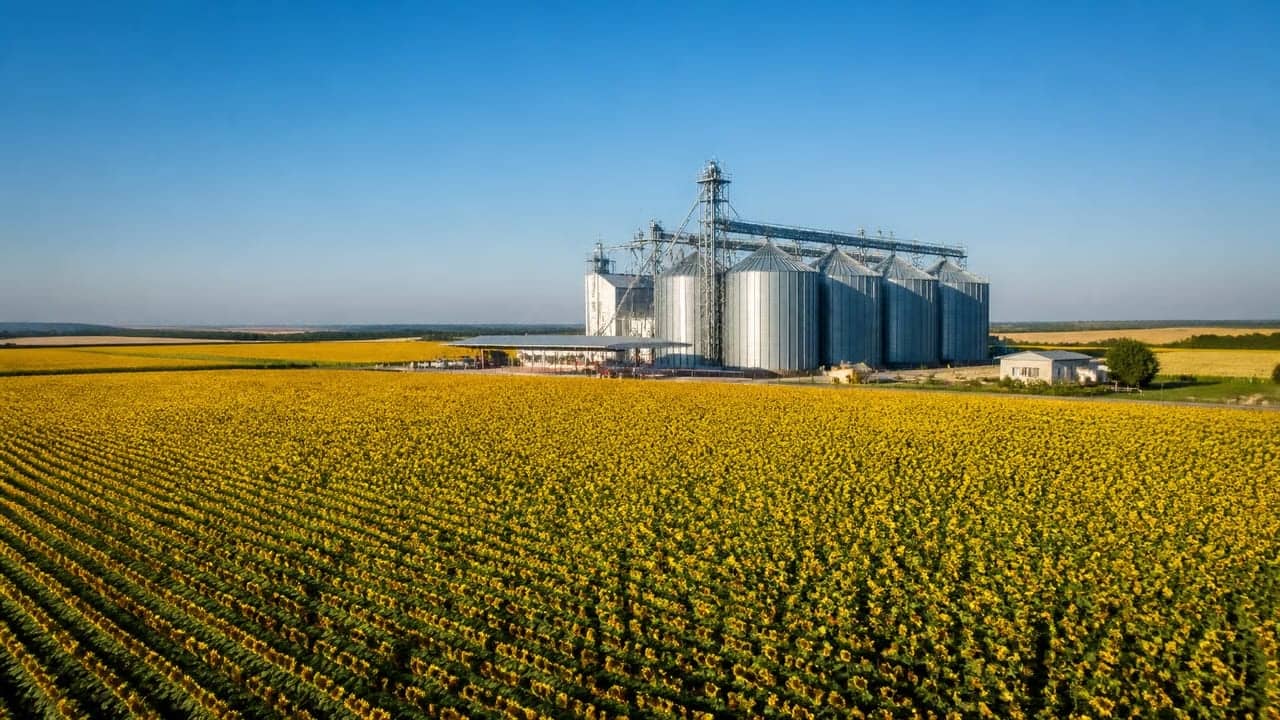
Security Challenges and Adaptation: Kernel Summarizes Oilseed Processing Results for the Season
Kernel, one of Ukraine’s largest agricultural holdings and a leading sunflower oil producer[1], has released its operational results. For the 2026 financial year, the group's processing plants handled 3.18 million tons of oilseeds, representing an 8% decrease compared to the previous season. The primary driver behind the decline was a severe shortage of sunflower seeds in the domestic market due to tight raw material availability. However, the company managed to partially offset this drop by actively adjusting its production lines to process alternative oilseeds, including soybeans and rapeseed. Consequently, edible oil sales actually increased by 2% (reaching 1.4 million tons) supported by