News

Heat Recovery and Hexane Trapping: Engineering Design of Shell-and-Tube Heat Exchangers by D.ENERGY
In extraction production, heat recovery and solvent vapor condensation directly shape processing costs. Ineffective condensation leads to excessive cooling water consumption, solvent vapor emissions to ventilation, or overloading of the absorption column. D.ENERGY engineering bureau designs and manufactures shell-and-tube heat exchangers and condensers for aggressive and explosion-hazardous environments of oil plants. Engineering standards for D.ENERGY heat exchange equipment: Thermo-hydraulic design: diameter, length and number of heat exchange tubes are calculated for actual customer heat carrier parameters (miscella, hexane vapors, cooling water, condensate). Reliable tube plate connections: automated tube rolling and welding of tube bundles from stainless and carbon steels ensures complete circuit integrity even under water hammer. Convenient cleaning and service: the design of removable distribution chambers allows quick mechanical or chemical cleaning of the tube space during scheduled plant shutdowns. A complex of properly selected heat exchangers and counter-current air coolers closes the thermal balance of the enterprise, reducing steam consumption of the boiler house by up to 20%.

Safe Desolventization and Meal Conditioning: DC Series Toasters for Modern Oil Extraction Plants
After plant oil extraction with solvent (technical hexane), meal contains 25–35% volatile hydrocarbons. The key task of meal distillation and processing is complete solvent recovery with reduction of its residual concentration in the final product to a safe level (< 300 ppm) and preservation of feed protein. D.ENERGY designs and manufactures vertical desolventizer-toaster units of DC series with various capacities — from 200 to 2,000 tons of meal per day. Technological features of DC series design: Multi-stage steaming: alternation of blind and live steam in the lower toaster chambers ensures intensive hexane distillation without over-drying meal fibers. Individual level regulators: each column stage is equipped with pneumatic-driven dampers and raw material level sensors connected to a single process control system and automation panels, preventing solvent vapor breakthrough. Energy-efficient vapor discharge: vapor collector geometry is calculated to minimize meal dust carryover to the plant condensing systems. Use of DC toasters in combination with hermetic pumping equipment for miscella minimizes hexane production losses per ton of processed seed and meets strict ATEX explosion safety standards.
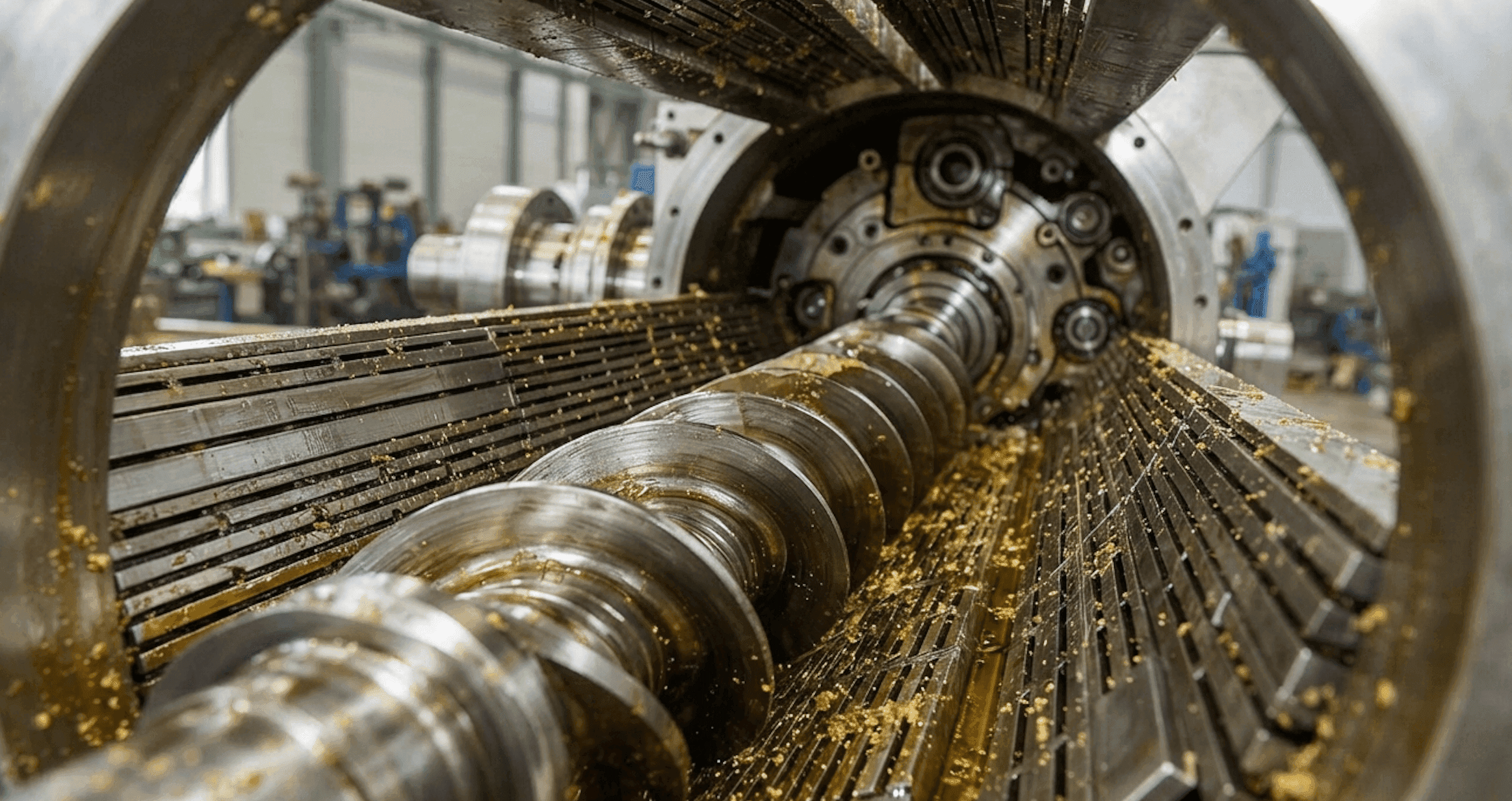
Wear Resistance of Oil Press Working Components: How Quality Strainer Bars and Screw Sets Reduce Oil Processing Costs
In the process of mechanical oil extraction from sunflower, rapeseed, or soy seeds, the working components of presses experience enormous abrasive and barometric loads. Wear of the strainer bar edge of just 0.3–0.5 mm leads to the widening of strainer slots, solid fraction (meal dust) carryover into the oil, chamber pressure drop, and a sharp increase in residual oil content of the meal cake. Machine-building enterprise D.ENERGY manufactures and supplies precision strainer bars and chambers for screw presses, as well as replacement screw sets and compression cones for most types of industrial oil-pressing units. Why D.ENERGY components withstand high loads: Alloyed special-purpose steels: we use wear-resistant structural and tool steel alloys resistant to intensive abrasion and high temperatures (over 120 °C). Hardening technology: bulk or zone quenching with controlled tempering ensures working surface hardness to 58–62 HRC without the risk of brittle bar failure. Precision CNC milling: geometric accuracy of discharge channels excludes misalignment during strainer barrel assembly and ensures even oil discharge without plugging. Besides serial products, D.ENERGY engineering department performs individual mechanical processing and wear-resistant carbide overlays per customer drawings or samples, allowing to extend the maintenance interval of the pressing shop to 35–40%.
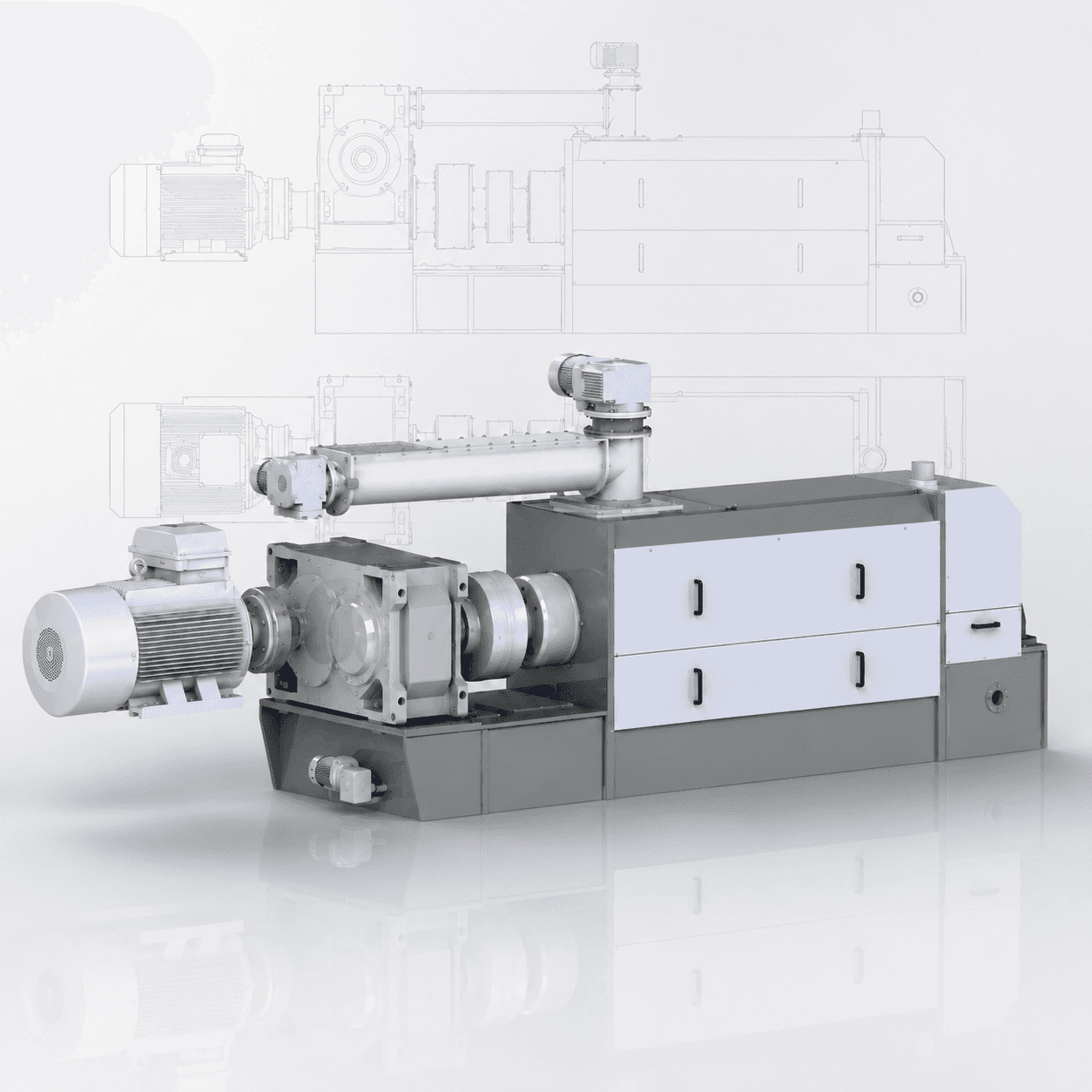
Why Oil Needs Filtration After Pressing
Oil coming straight out of a screw press (pre-press oil) is never a clean liquid. Along with it, the press carries fine cake particles, protein and mucilage impurities — collectively known as sediment, or foots. Before this oil can go to storage, further processing, or extraction, it has to be cleaned. What happens without filtration ⚙️ Accelerated equipment wear. Abrasive fine particles in unfiltered oil speed up wear on the seals and working surfaces of the pumps that move the oil further down the process chain. 🌡️ Fouled heat exchangers. Sediment settles on the tubes of shell-and-tube heat exchangers during oil cooling or heating, reducing heat-transfer efficiency and requiring more frequent cleaning of the units. 🕰️ Reduced storage stability. Suspended particles in oil act as sites where oxidation reactions proceed more actively. Unfiltered oil turns rancid faster and stores worse than filtered oil. 📉 Loss of marketable appearance. Cloudy oil with sediment fails to meet buyer requirements or the specs for the next processing step (refining), even when its underlying composition is perfectly fine. How filtration is typically built 🪣 Settling (pre-stage). Freshly pressed oil is held in settling tanks, where the heaviest particles sink to the bottom under their own weight — this takes the main load off the next, finer filtration stage. 🧻 Filter presses. Oil is pumped under pressure through a stack of filter plates lined with cloth — solid particles are retained on the cloth as a sediment "cake," while clean oil passes through. Once the cake builds up, the plates are opened and cleaned. 🌀 Self-cleaning screen filters. Used for coarser pre-filtration at high throughput — a mechanism periodically clears sediment off the mesh element without stopping the oil flow. The sediment removed during filtration is not pure waste: it still contains some oil, which is why many plants return it to the raw material stream for reprocessing. Oil filtration rarely makes it into marketing material alongside presses or extractors, but it is exactly what determines the condition in which the finished product reaches the next buyer or production stage.
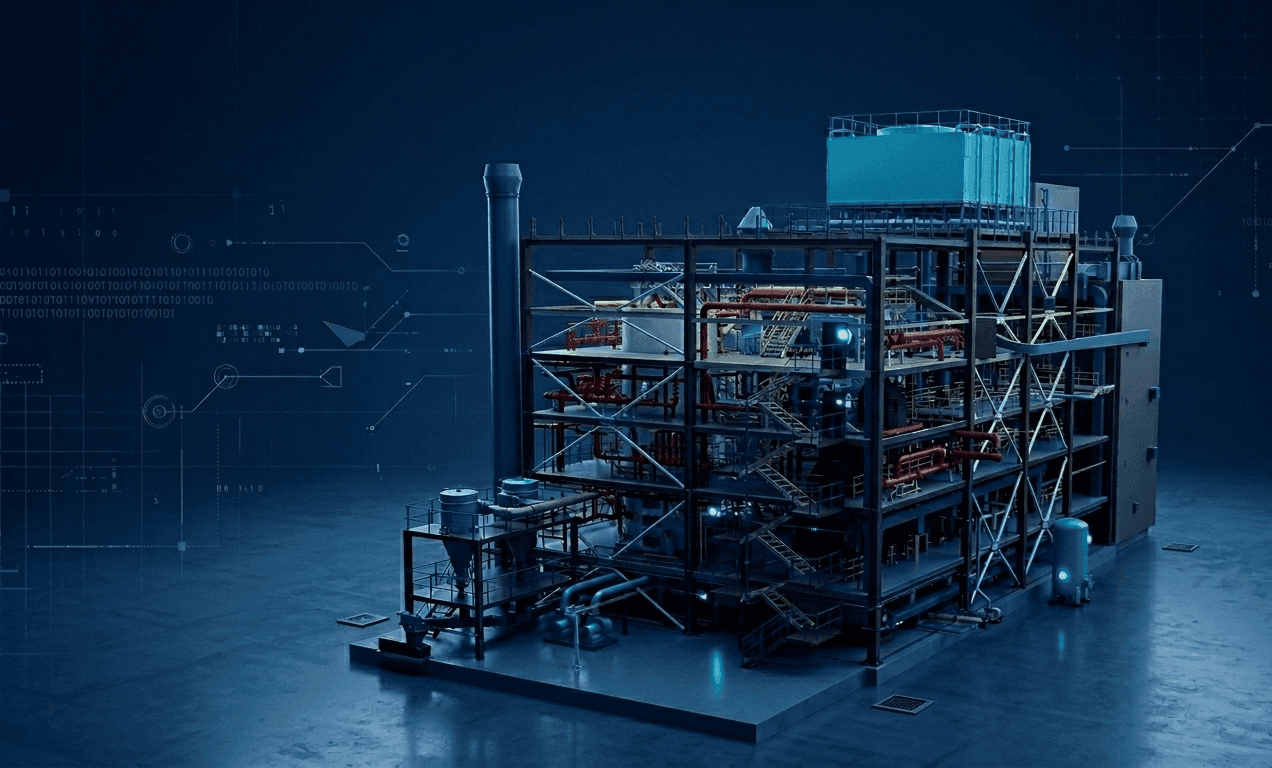
Fundamentals of Oil Mill Design: From Equipment Selection to Process Optimization
Designing an oil mill is not about picking individual machines from a catalog — it is about building a process chain in which the output of every stage matches exactly what the next stage requires as input. A press sized for a different throughput than the roaster feeding it, or an extractor not matched to the distillation station, turns the line into a sequence of bottlenecks — even if every individual machine is well made. The oil mill process chain 1️⃣ Raw-material preparation. Cleaning, crushing and forming flakes of stable thickness — this is where the quality of every downstream apparatus is set. Flakes that are too thin or too thick equally degrade the results of pressing or extraction that follow. 2️⃣ Thermal treatment ( roasting ). A multi-tray roaster brings the meal's moisture and temperature to the optimal values (typically 100–105°C, 5–7% moisture) — insufficient conditioning directly reduces the oil yield at pressing. 3️⃣ Oil separation. Mechanical pressing , hexane extraction , or a combination of both — the choice depends on processing volume and the required degree of oil recovery. 4️⃣ Solvent handling (where extraction is used). Miscella goes through filtration, distillation and solvent recovery — a section that requires explosion-proof pumps and shell-and-tube heat exchangers for preheating and condensing vapor. 5️⃣ Finishing the meal. The toaster removes residual solvent and brings the material to the required moisture, after which the cooler brings its temperature down to a level safe for storage. 6️⃣ Line automation. SCADA and HMI tie every stage into a single control picture, while interlocks between units prevent the line from running in unsafe or inefficient modes. Where optimization actually happens ⚖️ Throughput balance between stages. A line runs only as fast as its slowest unit. Calculating throughput correctly at the design stage is a far cheaper fix than rebuilding an already-installed line. 🛠️ Machining precision. Shafts, housings and mating surfaces machined with deviations from the drawing produce play and uneven wear within just a few months of operation — which is exactly why an in-house precision machine-tool fleet directly affects the reliability of the finished line. ♻️ Wear-part service life. High-wear components (such as press cage bars) should be specified in a wear-resistant design from the start — this reduces how often the line has to stop for scheduled maintenance. 🔥 The energy loop. The boiler room and heat-exchange equipment must be sized for the combined steam load of every unit on the line running at once, not each one in isolation — otherwise steam supply, not mechanics, becomes the production bottleneck. This is exactly why D.ENERGY designs oil mills as a single system — from the roaster to the automation layer — rather than as a set of individual machines picked on a "good enough" basis.

Soybean Processing as a Business: Why It Pays to Stop Selling Raw Beans
Soybeans on their own are a raw material with limited value-add: sell a wagonload of beans for export, collect the raw-material price, and that is the end of the story. Processing changes this economics entirely: the same ton of beans yields two separate products — soybean oil and soybean meal — each with its own market. Why now In Ukraine, the share of soybeans processed domestically has already grown from 39% to 54.2% of the harvest — a historic high. The reason is simple: a 10% export duty on raw seed makes selling it abroad less attractive, while processing becomes correspondingly more attractive. Meanwhile, foreign-currency revenue from soybean oil and meal exports keeps growing (+12.3% over the last marketing year), even as the domestic harvest itself has shrunk. That means one thing: demand for domestic processing capacity is growing faster than the supply of raw material. Two products from one raw material 🛢️ Soybean oil — a high-value-add product driven by demand from the food industry. 🌾 Soybean meal — a high-protein feed with steady demand from livestock and poultry farming. For many processors, meal — not oil — accounts for the larger share of revenue. Which line to choose: pressing or extraction There is no single right answer here — it depends on volume and investment horizon. 🔩 Mechanical pressing — a simpler, cheaper line with a lower entry threshold, suited to smaller processing volumes. The trade-off: part of the oil stays unrecovered in the cake. 🧪 Pressing plus hexane extraction — higher capital cost, but the maximum oil yield from the same ton of raw material and minimal residual oil in the finished meal. This scheme pays off at medium and large processing volumes. What a processing line requires Whichever scheme is chosen, the process chain follows the same logic: raw-material preparation → roasting (conditioning moisture and temperature) → pressing (and extraction, if needed) → desolventizing and cooling the meal → storage. D.ENERGY designs and manufactures the complete range of equipment for every one of these stages — from roasters and presses to loop extractors, toasters and coolers — and configures the specific line to match the volume and budget of each project. Related equipment: SP-series screw presses , EX-series loop extractor .
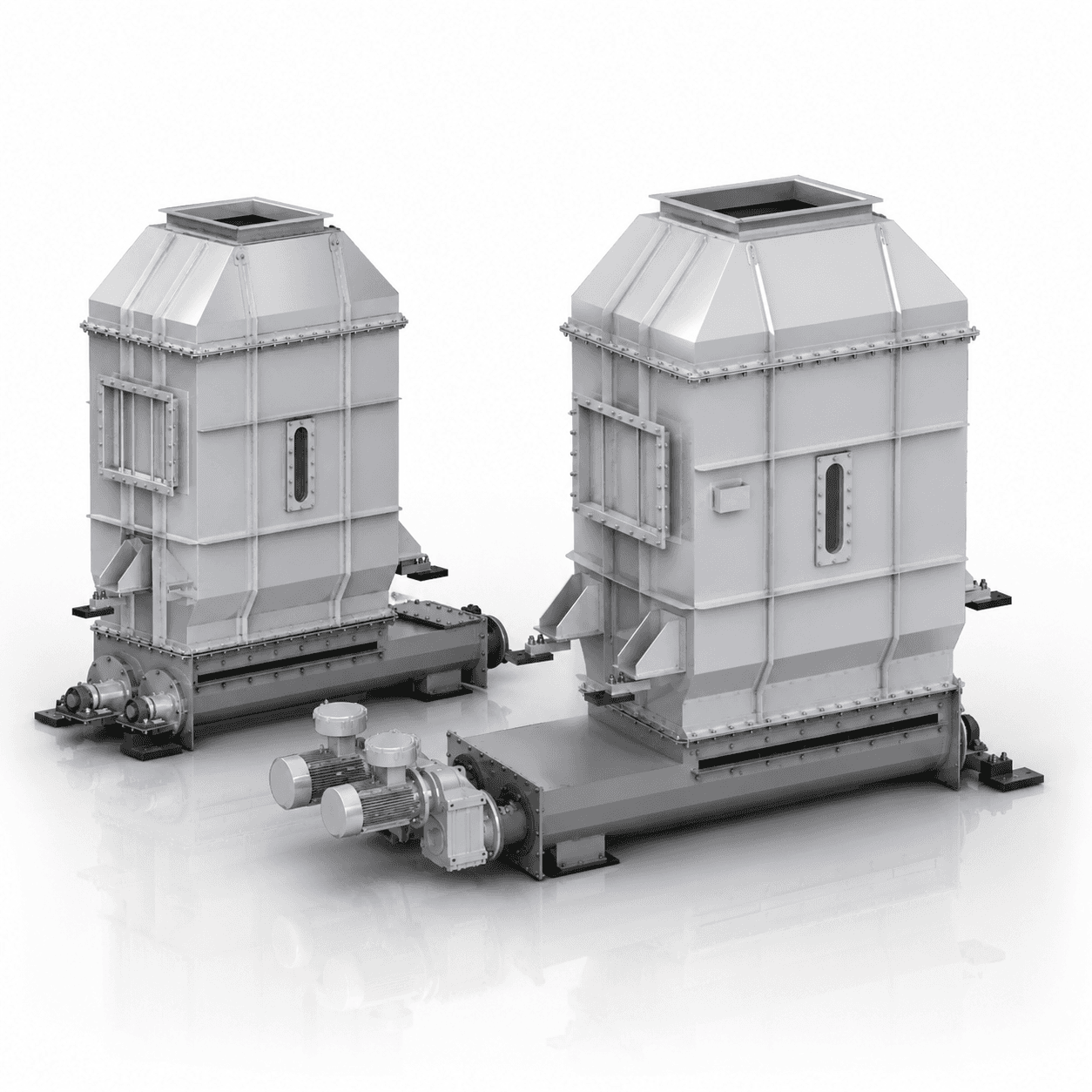
What Is a Crisper (Cooler) and Why It Matters at an Oil Mill
A crisper, or cooler, is the unit that completes the thermal treatment of press cake or extracted meal. After leaving the press or the toaster, the material is hot (around 100–105°C) — and before it can be safely sent to storage or shipped out, its temperature has to be brought down to a safe level. Why cake and meal need to be cooled 🔥 Spontaneous-combustion risk. Hot organic material stacked in bulk in a bin or warehouse can self-heat and, in the worst case, self-ignite. Cooling it to a safe temperature removes this risk already at the production stage. 💧 Storage stability. A sharp temperature difference between hot material and the cold air of a warehouse causes moisture to condense inside the mass — a direct path to mold and spoiled meal. 📦 Handling quality. Cooled material flows better, does not clump, and moves far more easily through conveyors, scales and packaging lines. 🌾 Preserved feed quality. Rapid cooling stops further thermal reactions in the protein mass that would otherwise continue if the hot material were simply left to cool down on its own. How a cooler is built The most common arrangement is countercurrent: the material slowly moves down under its own weight through the unit's shaft, while a fan pushes an airflow upward to meet it. Cool air draws heat away from the material and exits at the top through aspiration, while the now-cooled product is discharged at the bottom. Even air distribution across the full cross-section of the shaft is critical — if air only travels through isolated "channels," part of the material is left uncooled. Where it is used 🔩 After pressing — cooling the cake coming out of the screw press. ♨️ After the toaster — cooling the meal after desolventizing in an extraction line, right before storage or pelleting. 🌡️ After the roaster — in lines where the material does not go on to extraction and heads straight to storage. A cooler rarely gets as much attention as a press or an extractor, but it is exactly what determines the condition of the finished product going into storage — and how long it stays there without losing quality. Related equipment: CC-series cooler .
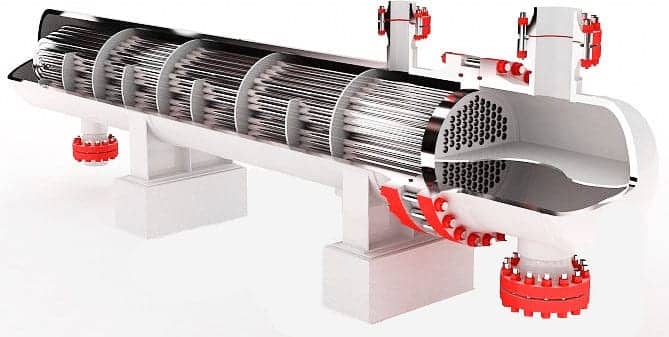
Shell-and-Tube Heat Exchanger: Design, Operating Principle and Uses in Oil & Fat Processing
The shell-and-tube heat exchanger is one of the most widely used types of heat-transfer equipment in industry, thanks to its simple design, reliability, and ability to handle high pressures and temperatures. In oil and fat processing, it is used at almost every stage where a process stream needs to be heated, cooled, or condensed. Design 🛢️ Shell — the cylindrical body of the unit, inside which one of the heat-transfer fluids moves (the shell side). 🧵 Tube bundle — a set of parallel tubes carrying the second fluid. 🔲 Tube sheets — fix the tube ends at both ends of the unit and separate the tube side from the shell side, keeping the two fluids from mixing. ➰ Baffles in the shell space — direct the shell-side fluid in a zigzag path between the tubes, increasing turbulence and therefore heat-transfer efficiency, while also supporting the tube bundle and reducing vibration. 🔘 End caps (heads) at both ends — distribute the fluid into the tubes and collect it on the way out; the number of passes through the tube side (single-pass or multi-pass) determines fluid velocity and how compact the unit can be. Operating principle Two fluids move on opposite sides of the tube wall — one inside the tubes, the other in the shell space — and exchange heat through the metal tube surface without physically mixing. The most efficient arrangement is countercurrent flow (the fluids move in opposite directions), since it maintains the largest temperature difference along the full length of the unit and therefore delivers the highest heat transfer for a given surface area. Where it is used in oil and fat processing 🛢️ Cooling finished oil after refining or deodorization — before bottling or storage, oil must be cooled to a safe temperature, and a shell-and-tube cooler using water as the cooling medium is the simplest and cheapest way to do it. ♨️ Preheating miscella before distillation. Miscella leaving the extractor is preheated with steam or hot condensate before hexane evaporation — precise, even preheating directly affects the efficiency of the subsequent distillation. ♻️ Heat recovery. Hot solvent vapor or secondary steam from the distillation column gives up its heat to fresh miscella or another process stream before being finally cooled or condensed — this directly cuts the steam consumption of the whole process. 💨 Condensing hexane vapor. A water-cooled shell-and-tube condenser turns solvent vapor back into liquid for return to the process loop — a key component of any solvent-recovery system. 🔥 Plant heat supply. Inside a boiler room, shell-and-tube heat exchangers prepare hot water or steam at the parameters needed by every section of the plant — from roasters to building heating systems. The simplicity of its design does not make the shell-and-tube heat exchanger a crude solution — quite the opposite: that same simplicity makes it easy to service (the tube bundle can be pulled out for cleaning or replacement), which matters enormously for equipment that constantly handles viscous, contaminated process streams. Related area: Industrial Energy .
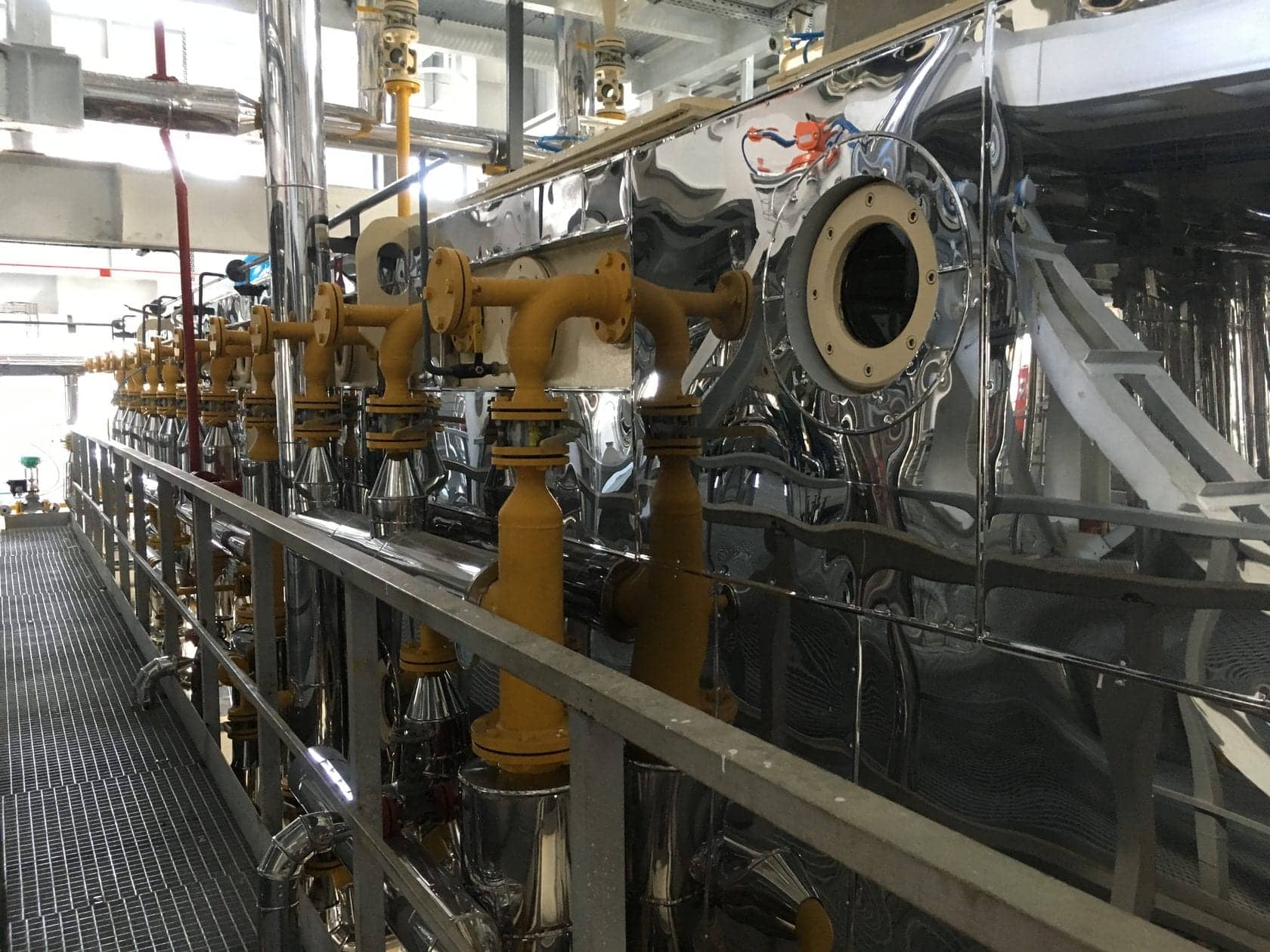
Optimization and Correct Process Control at the Oil-Extraction Stage
Extraction is the final and, at the same time, the most delicate stage of removing bound oil from pre-pressed cake or specially prepared flakes using an organic solvent, most commonly technical-grade hexane. How precisely the process is tuned in the extractor (loop-type or belt-type) directly determines a plant's key economic indicator — the residual oil content of the meal, which ideally should be below 0.8–1%. Below is a practical guide to achieving stable operating conditions in the extraction section. 1. Raw-material preparation at the extractor inlet The extractor does not forgive mistakes made upstream: the quality of the incoming material determines the hydrodynamics of the entire unit. 📏 Flake thickness must be stable, typically 0.25–0.35 mm. Flakes that are too thin stick together into a dense layer and block free solvent flow; flakes that are too thick prevent hexane from quickly penetrating the cells. 🌫️ Minimal fines ("flour"). Fine particles clog the conveyor's filtering screens, causing miscella to build up on the surface of the bed and causing a sharp drop in extractor throughput. 🌡️ Temperature and moisture of the mass. The material must enter cooled to around 45–55°C with controlled moisture — material that is too hot causes intense evaporation of light solvent fractions right at the inlet. 2. Controlling flows and miscella concentration The extractor operates on a countercurrent principle, which requires tight balancing. 🔀 Concentration gradient. Clean solvent is fed to the last irrigation section, where the material is already nearly de-oiled. As it moves against the material flow, it gradually enriches with oil, turning into miscella of varying concentration, and by the first section it is washing the freshest portion of material. ⚖️ Solvent-to-material ratio must be held at a stable level — on average from 0.8:1 to 1.2:1 depending on the crop. Too much solvent overloads the distillation station and increases steam consumption; too little leads to under-extraction. 3. Controlling speed and bed height The mechanical part of a loop or belt extractor requires precise control of the moving element's speed. 📐 Bed height on the mesh conveyor must be even across the full width, with no "pits" or mounds — otherwise the solvent will follow the path of least resistance, leaving the rest of the material untreated. ⏱️ Conveyor speed is adjusted based on the moisture, porosity and volume of incoming material. Too high a speed shortens solvent contact time and raises the residual oil left in the meal; excessive slowdown reduces the plant's daily throughput. 4. Miscella filtration Before miscella goes to distillation (hexane evaporation), it passes through a system of screens and settling tanks within the extractor itself. Miscella always carries a certain amount of fine meal particles, so timely cleaning and purging of the drainage screens prevents sediment build-up in the sumps — which directly ensures uninterrupted operation of the miscella pumps. Each of these four parameters affects the others — which is why tuning an extraction section is always done as a whole, not one indicator at a time. Related equipment: EX-series loop extractor .
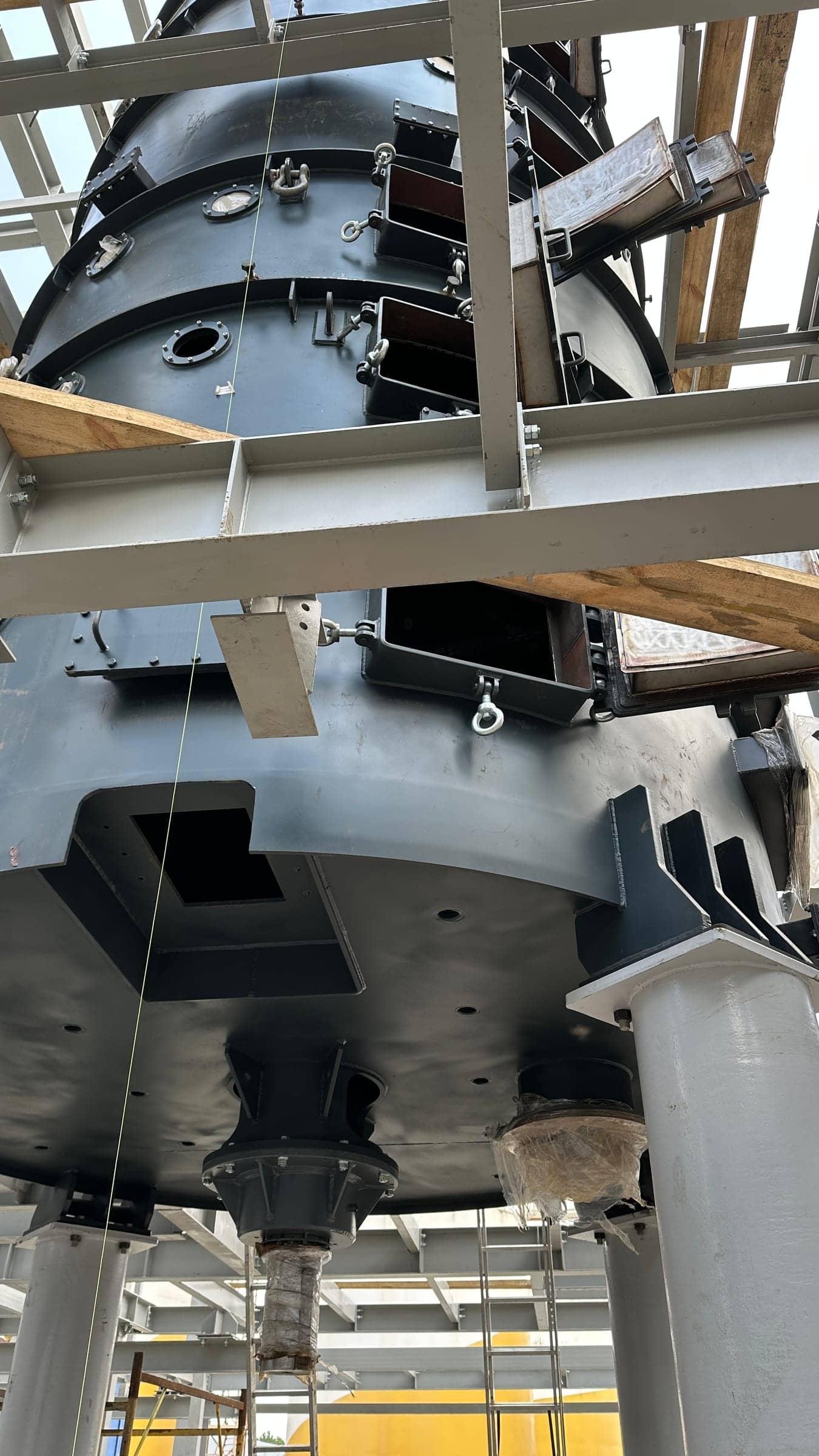
Roasters for Oilseed Processing: Operating Principle and Design
A roaster is a key process unit in an oilseed-processing line (sunflower, rapeseed, soybean, etc.). It performs the moisture-heat treatment of crushed seed (meal/flakes) before pressing or extraction. The oil yield and the quality of the finished product depend directly on how well this unit performs. How a multi-tray roaster works A multi-tray (vertical) roaster is the most common solution at oil-extraction plants. It consists of several trays (decks) stacked one above another, each performing its own stage of conditioning. 📥 Feed. Crushed seed flakes enter the top tray of the unit continuously. 🔄 Mixing and transport. A central shaft with paddle mixers rotates inside each tray: it continuously stirs the material, prevents overheating where it contacts the walls, and evenly moves the meal toward the drop opening into the tray below. 🌡️ Heat exchange. The bottom, and often the walls, of each tray have steam jackets — pressurized steam heats the surface and transfers heat into the material. 💧 Moisture control. In the upper trays, the meal is humidified with direct steam to the optimal level — this breaks down the seed's cell structure. In the lower trays, it is instead dried intensively and brought to the target temperature (typically 100–105°C) and moisture content (around 5–7%). 💨 Vapor removal. Moisture released during heating is effectively removed through exhaust ducts of the aspiration system connected to each tray. Three stages of meal conditioning 1️⃣ Upper trays — conditioning. Heating the material and bringing its moisture to the optimal level with direct steam. 2️⃣ Middle trays — actual roasting. Intensive heating, protein coagulation, breaking the bonds between oil and insoluble matter. 3️⃣ Lower trays — drying and stabilization. Final leveling of temperature and moisture before the material is fed to the oil press. Advantages of the multi-tray design ♻️ Process continuity — a fully automated cycle from raw-meal feed to finished-meal discharge, with no manual operations between stages. 🎯 High efficiency — passing sequentially through several independently controlled zones allows the target moisture and temperature to be held precisely at every stage. 🌟 Preserved oil quality — even mixing prevents local overheating of the material near the walls, which would otherwise degrade the color and taste of the finished oil. This is exactly the multi-tray scheme D.ENERGY uses to design its RS-series roasters — sized to the customer's specific line capacity and raw material. Related equipment: RS-series roasting pans .
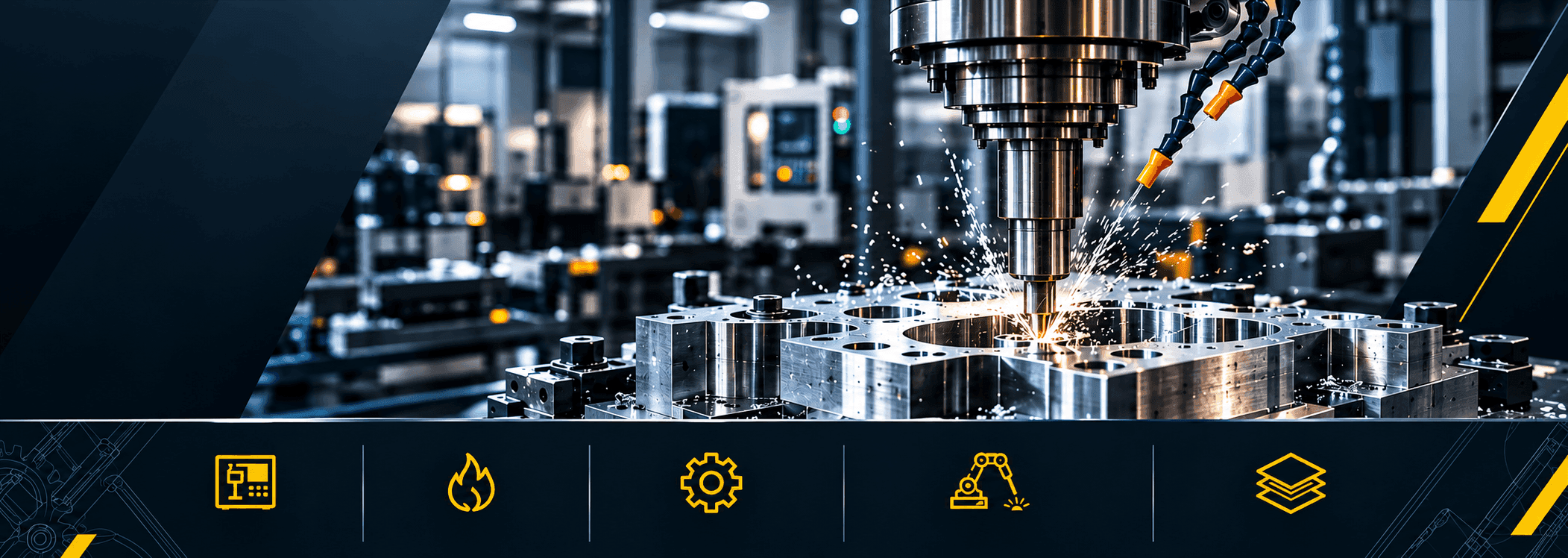
Why Machine-Tool Precision Directly Determines Finished-Equipment Quality
The quality of industrial equipment is set long before assembly — it is determined by how precisely each individual part is made. If a shaft, housing or bar is machined with a deviation from the drawing, that deviation does not disappear during assembly: it turns into play, uneven wear, vibration or leaks. That is why a shop's machine-tool fleet is not a secondary question of "what to cut metal with" — it is a direct condition for the reliability of the finished product. D.ENERGY's own machine-tool fleet 🔩 CNC turning-milling centers (Okuma LB3000, Doosan DM500, Okuma Multus B300) — machine shafts, rods and complex cylindrical geometry in a single setup, without repositioning the part and accumulating error between operations. 📐 Machining centers (horizontal Okuma MA-600H, vertical Okuma Genos M460, Tosvandorf Varia 530) — provide precise milling of housing parts and mating surfaces, which determine how tightly and evenly assemblies come together. ⚙️ CNC vertical (carousel) lathe Toshulin SKQ12 — machining large-diameter parts (flanges, rings, press housing components) while holding tolerances even at large sizes, where error traditionally accumulates fastest. ✂️ CNC band saw KastoWin a3 — precise blank cutting to size, reducing the machining allowance needed afterward and cutting metal waste. 🏁 Surface grinding machines (Geckel GB55, Reinford Ar45, Jung c740 and c740e) — finishing working and mating surfaces to a minimal roughness. This is the stage where, for example, cage bars with a hardfaced working surface are brought to the exact geometry needed for a tight fit inside the press cage. What this means in practice When turning, milling, vertical-lathe and grinding operations are all done in-house on a precision machine-tool fleet rather than outsourced without control, every batch of parts repeats the drawing with minimal dimensional spread. For the customer, this means predictable part fit during assembly, even load distribution within an assembly, and, as a result, a longer equipment service life with fewer unplanned repairs. Related area: Metalworking & CNC Machining .
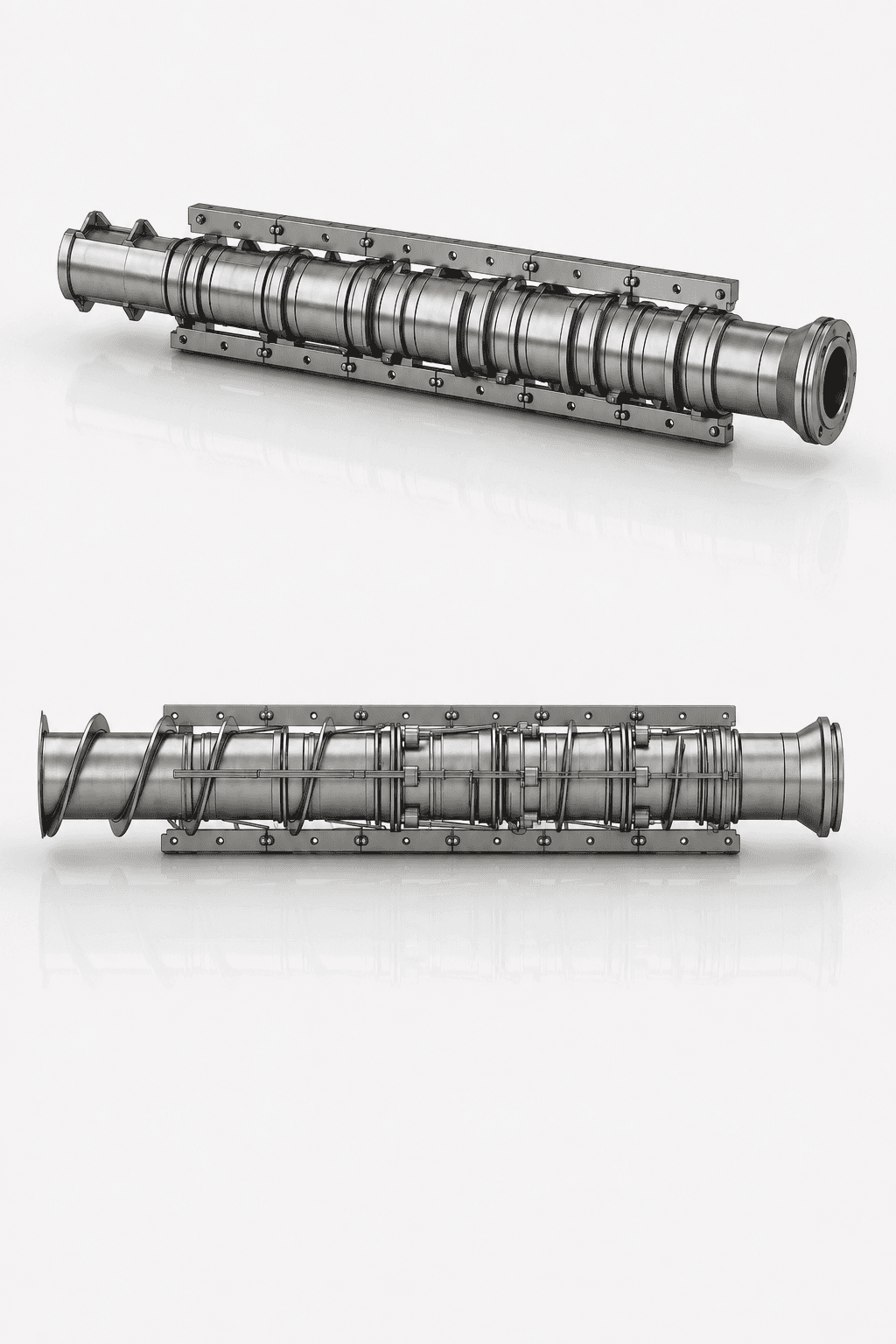
Why D.ENERGY Cage Bars Pay Off: Hardfaced Working Surface vs. Standard Steel
Cage bars are the components of a screw press cage that come into direct contact with the material being pressed. This is one of the most heavily loaded parts of the press: abrasive contact with seed and cake gradually wears down the working surface, and sooner or later the bar has to be replaced. The problem with standard bars A standard cage bar is made from a single, uniform grade of steel. The whole part is equally soft and equally hard — both the working surface that takes the abrasive wear and the body of the bar that simply holds the structure together. Once the working surface wears out, the entire bar has to be replaced, even though the rest of the part is often still perfectly usable. What we do differently The working surface of D.ENERGY cage bars is hardfaced with wear-resistant steel — an additional hard layer applied by welding exactly where the wear happens. The body of the bar stays in the base metal, which handles load well and resists cracking, while the hardfaced layer absorbs the abrasive wear. The result for a processing plant ⏱️ Up to 3x longer service life of the working surface compared to standard bars without hardfacing — depending on the raw material and press operating conditions. 🔧 Fewer replacement stops. Less frequent bar replacement means fewer cage disassemblies and less line downtime for scheduled maintenance. 💰 Lower total cost of ownership. A hardfaced bar costs more than a standard one, but over the same calendar period you need 2–3 times fewer sets — a direct saving on spare parts and on the labor of replacing them. For any oil-processing plant, cage bars are a consumable part bought on a recurring basis. The question is not whether to buy them, but how often per year. A hardfaced working surface directly reduces that frequency. Related product: Screw sets & cage bars .
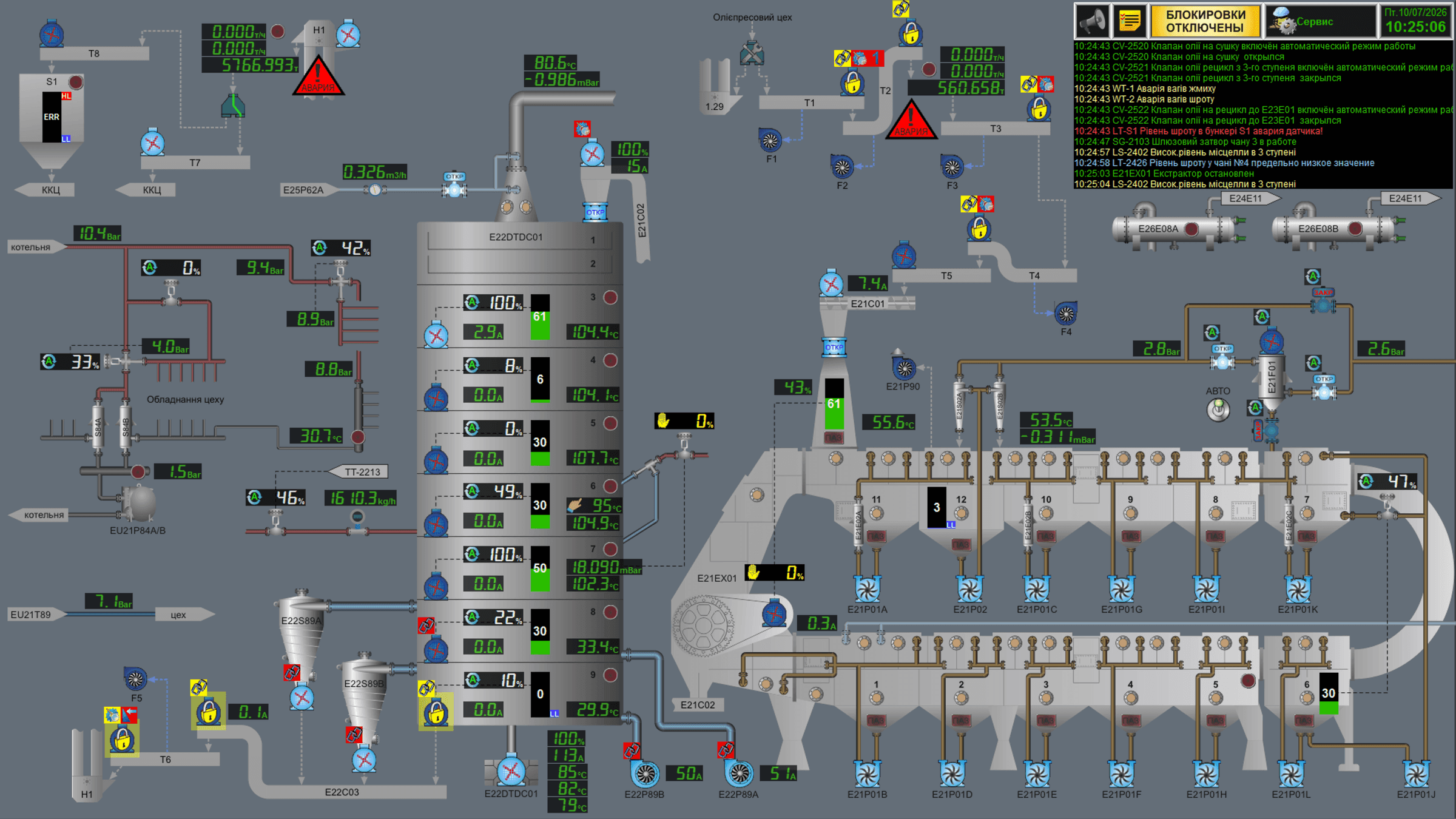
HMI and SCADA Development: What It Looks Like in Practice
The terms HMI and SCADA are often used as synonyms, although they are different levels of the same system. HMI (Human-Machine Interface) is a local operator panel next to a specific unit: it shows the state of that particular machine and lets the operator control it. SCADA is the level above it: a system that gathers data from every HMI/PLC on the line into a single dispatch view, stores parameter history, and generates plant-wide alarm notifications. What development looks like in practice — project stages 🔍 Technical survey of the line. First we record what equipment the customer already has, which sensors and actuators exist on each unit, and which parameters can actually be captured for display and control. 🖼️ Building the mimic diagram. The screen reproduces the actual process scheme of this specific production — the units, piping, flow directions — not a generic one-size-fits-all template. The operator sees the line the way it actually stands on the shop floor. 🗂️ Building the tag database. Every physical signal (a temperature sensor, a valve state, a flow reading) is mapped to a specific element on screen — this is the layer that connects the real equipment to the picture on the monitor. 💻 Programming the logic. Control algorithms, interlocks and alarm thresholds — everything that makes the system a real control tool rather than just a pretty picture. 🧪 Testing before start-up. We first verify the logic on a test bench without connecting real equipment (a factory acceptance test), and only then move to commissioning directly at the customer's site. 🎓 Operator training. We hand over not just the finished system but also documentation, and train staff to work with it — this is just as important as the development itself. Why not an off-the-shelf template A ready-made template HMI almost always either hides parameters that matter for this specific line, or overloads the screen with data this particular operator does not need. A custom build for the specific line means the screen shows exactly what is needed to make a decision — no more, no less. That directly shortens the time to train a new operator and reduces the risk of error caused by a confusing interface. Related service: HMI & SCADA development .

How the Export Duties on Soybean and Rapeseed Worked: Marketing-Year Results
On July 16, 2025, Ukraine's Verkhovna Rada introduced a 10% export duty on soybean and rapeseed seed, which took effect on September 4, 2025. The goal was to encourage processing oilseed crops domestically rather than exporting them as raw material. The marketing year (September 2025 – August 2026) has now produced its first results. Rapeseed 📈 Domestic rapeseed processing grew 2.7-fold compared to the previous marketing year 🛢️ Rapeseed oil exports increased 2.5-fold 🌾 The share of the harvest processed domestically rose to 42% (up from just 15% a year earlier) 💵 Foreign-currency revenue from rapeseed oil exports more than tripled, reaching $588 million Soybean 📈 The share of domestically processed soybeans rose from 39% to 54.2% — a historic high, even though the harvest itself shrank from 6.6 to 4.8 million tons 💵 Foreign-currency revenue from soybean oil and meal exports grew 12.3% , to $1.02 billion Sown area and the budget 🌱 Rapeseed area grew +15.7% , soybean area shrank -3.9% ; combined area under both crops grew from 3.25 to 3.37 million hectares 🏛️ Additional state budget revenue from the export duty over the marketing year reached UAH 2.174 billion The overall conclusion from industry analysts: the duties worked as intended — domestic finished-product output is outpacing raw-material exports, employment at processing plants is growing, and growing these crops remains profitable for farmers. By some estimates, exporting processed product instead of raw material yields 30–50% more foreign-currency revenue per ton. For processors, this means one thing: demand for domestic sunflower, rapeseed and soybean processing capacity will keep growing — and with it, the need for reliable pressing and extraction equipment. Based on materials from agropravda.com . Related equipment: SP-series screw presses , EX-series loop extractor .
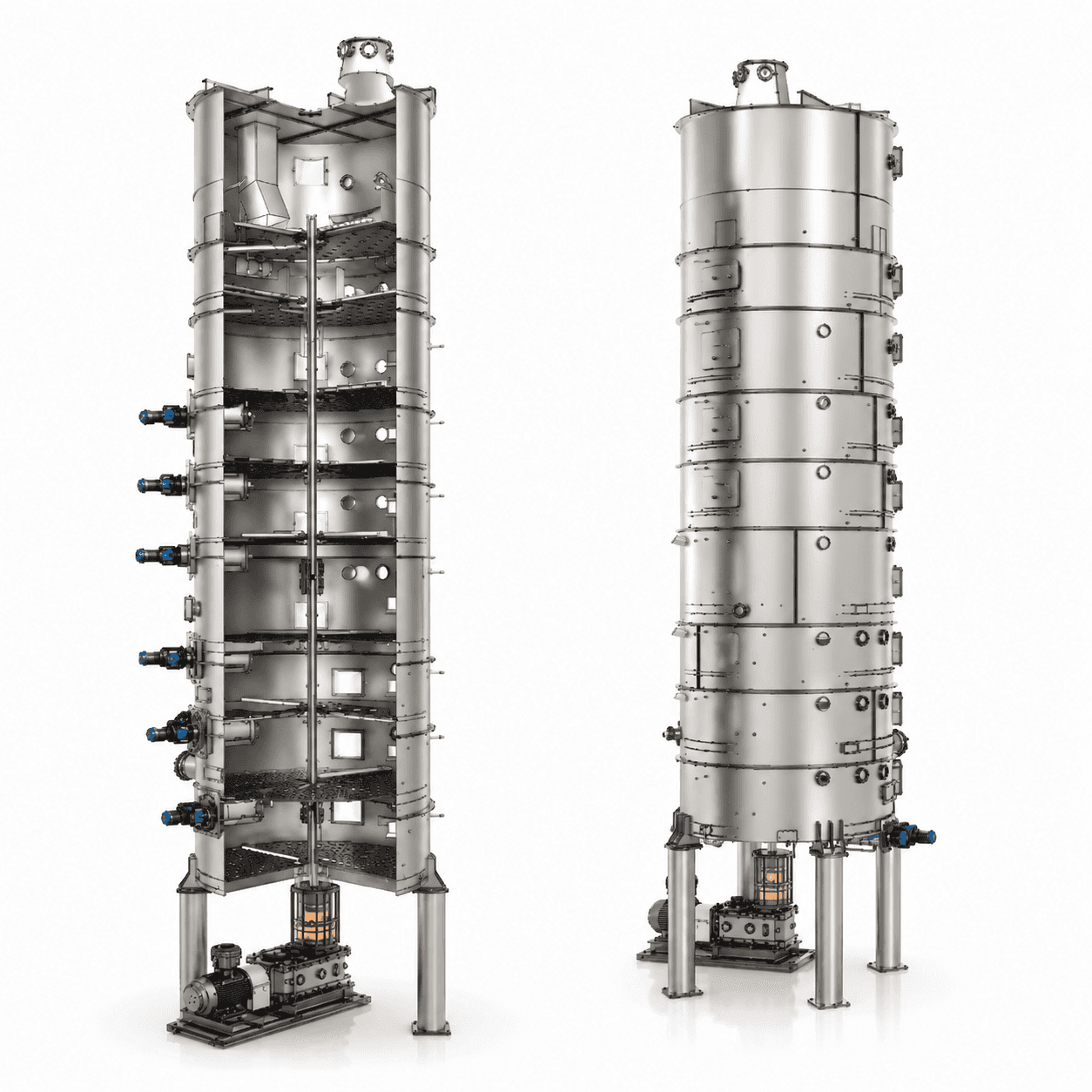
Toasters in Extraction Plants: Types, and Why the DC Series Is a Multi-Tray Design
After the loop extractor, the meal comes out wet and saturated with hexane vapor — it cannot go straight to storage or feed. The unit that brings the meal to its finished state is called a toaster (desolventizer-toaster). This is where the solvent is finally removed from the material, and the meal itself is dried and cooled. Toaster designs used in the industry 🏗️ Multi-tray (multi-deck) toasters — the meal passes sequentially through several trays (decks) stacked one above another, falling from the upper tray to the one below. Each tray maintains its own heating regime. 🥁 Rotary (drum) toasters — a simpler design with a single rotating drum; lower capital cost, but less precise control of conditions across the whole material volume. 💨 Flash desolventizers — remove solvent with a stream of hot vapor on the fly, mostly used as a pre-stage ahead of the main toaster. Why D.ENERGY's DC series is a multi-tray design 🎯 A controllable regime on every tray. The upper trays run in steaming / desolventizing mode (removing hexane with direct steam), the lower ones in drying and cooling mode. This is impossible to achieve as precisely in a single shared volume — separating the process into decks is what gives independent control of temperature and residence time at each stage. ⏱️ Stable material residence time. The meal is transferred from tray to tray through adjustable gates, so every batch passes through all stages within a predictable time — no short-circuiting and no unnecessary overheating of protein. 🌡️ Preserved meal quality. Because the heat is distributed across several trays at different temperatures rather than delivered as one powerful pulse, the protein fraction of the meal is subjected to less thermal degradation — which directly affects the feed quality of the finished product. ♻️ Efficient solvent-vapor recovery. The upper trays, closest to the wet-meal inlet, immediately draw off the bulk of the hexane vapor to condensation — safer, and more economical in terms of returning the solvent to the cycle. In short: a multi-tray design makes it possible to run desolventizing as a sequence of separate, tightly controlled steps rather than one large vessel. That is exactly why D.ENERGY designs its DC-series toasters this way — built around real requirements for meal quality and solvent-handling safety. Related equipment: DC-series toasters .
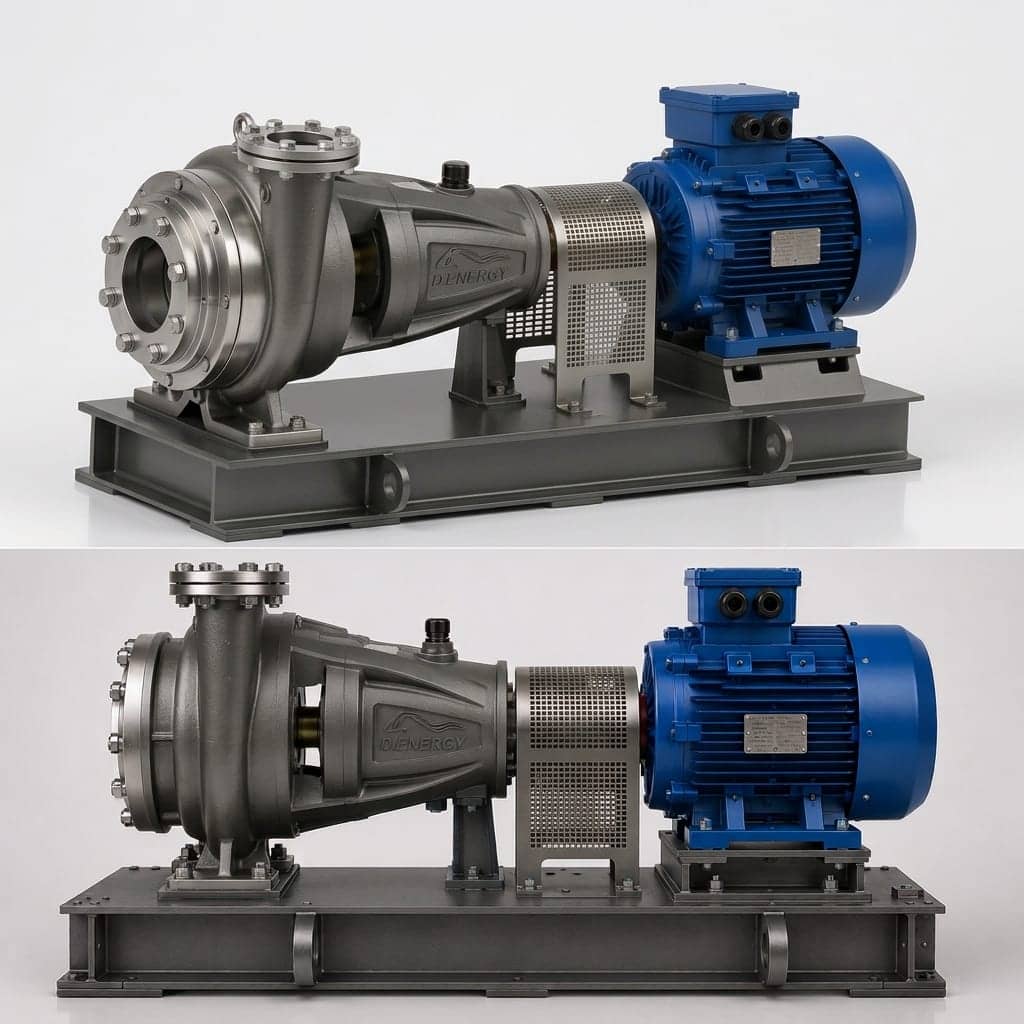
Miscella Pumps: Why an Ordinary Pump Will Not Work Here
Miscella is a mixture of oil and hexane leaving the extractor on its way to distillation. On the surface it is just a liquid that needs to be pumped from point A to point B. But by its nature it is an explosive-hazard fluid, and a pump handling it has to meet requirements far beyond an ordinary industrial pump. Why a standard pump will not do ⚡ A spark means an explosion. An ordinary motor or a standard contactor can spark during switching. That is unacceptable in hexane vapor, so the motor, terminal box and every electrical component of the pump are built in an explosion-proof design. 💧 Shaft-seal leakage. A standard mechanical shaft seal will eventually weep. That is a non-issue for water, but for hexane it is both a fire hazard and lost product. That is why miscella pumps use a double mechanical seal with a barrier fluid, or a sealless (fully enclosed) design. 🧲 Static electricity. Moving a low-conductivity fluid like miscella generates a static charge on its own. Without reliable grounding of the pump housing and piping, a static discharge can become an ignition source. 🧪 Chemical resistance of materials. Hexane and oil gradually degrade ordinary rubber and some polymers used in seals. The wetted parts are selected specifically for resistance to this environment. Which pump types are used 🔄 Centrifugal pumps — the main type for moving miscella between vessels: high flow, moderate pressure, continuous duty. 📏 Screw / gear pumps — where a precise, stable flow is required regardless of small viscosity variations (for example, metering feed to distillation). ⬇️ Vertical sump pumps — installed directly in the pit or collection tank under the extractor, which reduces the risk of air ingestion and simplifies piping. This is exactly why D.ENERGY builds its hexane and miscella pumps in explosion-proof design from the ground up — it is not an "option", it is a baseline requirement for any unit handling solvent. Related equipment: CP-series pump .
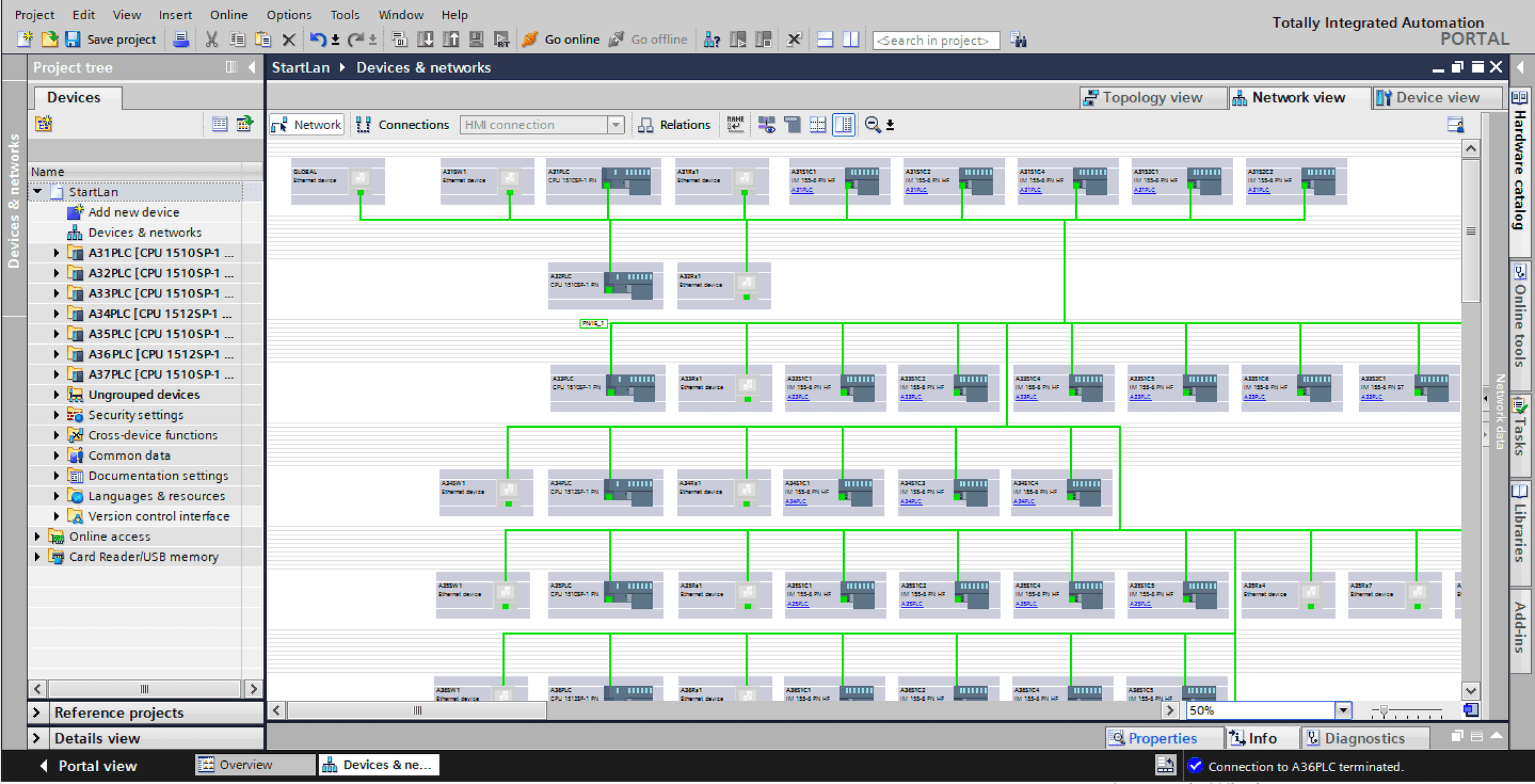
D.ENERGY SCADA System: How We Automate Production-Line Control
A modern processing plant is dozens of pieces of equipment that must operate in sync: presses, extractors, toasters, pumps, conveyors, boiler rooms. Without a unified dispatch system, an operator is forced to monitor each unit separately. This is exactly why D.ENERGY develops SCADA systems tailored to the customer's specific process line. What our solution includes: 🖥️ A custom SCADA/HMI panel — a mimic diagram of your exact line, not a generic template: every unit, sensor and actuator is shown on screen exactly as it is installed on the shop floor. 💻 PLC programming — control algorithms, interlocks and safety functions that make unsafe operating modes impossible (for example, simultaneous operation of units that must never run together). 📊 Parameter and trend history — temperature, pressure, flow, equipment run-time — for analyzing operating modes and planning maintenance, not just monitoring the current state. 🔔 Centralized alarm notifications — the operator sees a parameter deviation immediately on the dispatch screen, not after the fact. 🌐 Remote diagnostics — D.ENERGY's service team can connect to the system to consult or diagnose a fault remotely, without waiting for a technician to travel to the site. Every control panel and every SCADA software project is built and tested against the customer's specific technical brief — from a single unit (for example, a pressing line) to full plant-wide dispatching. This is part of D.ENERGY's complete automation service: from control-system design to commissioning and ongoing technical support. Related service: Automation system design .
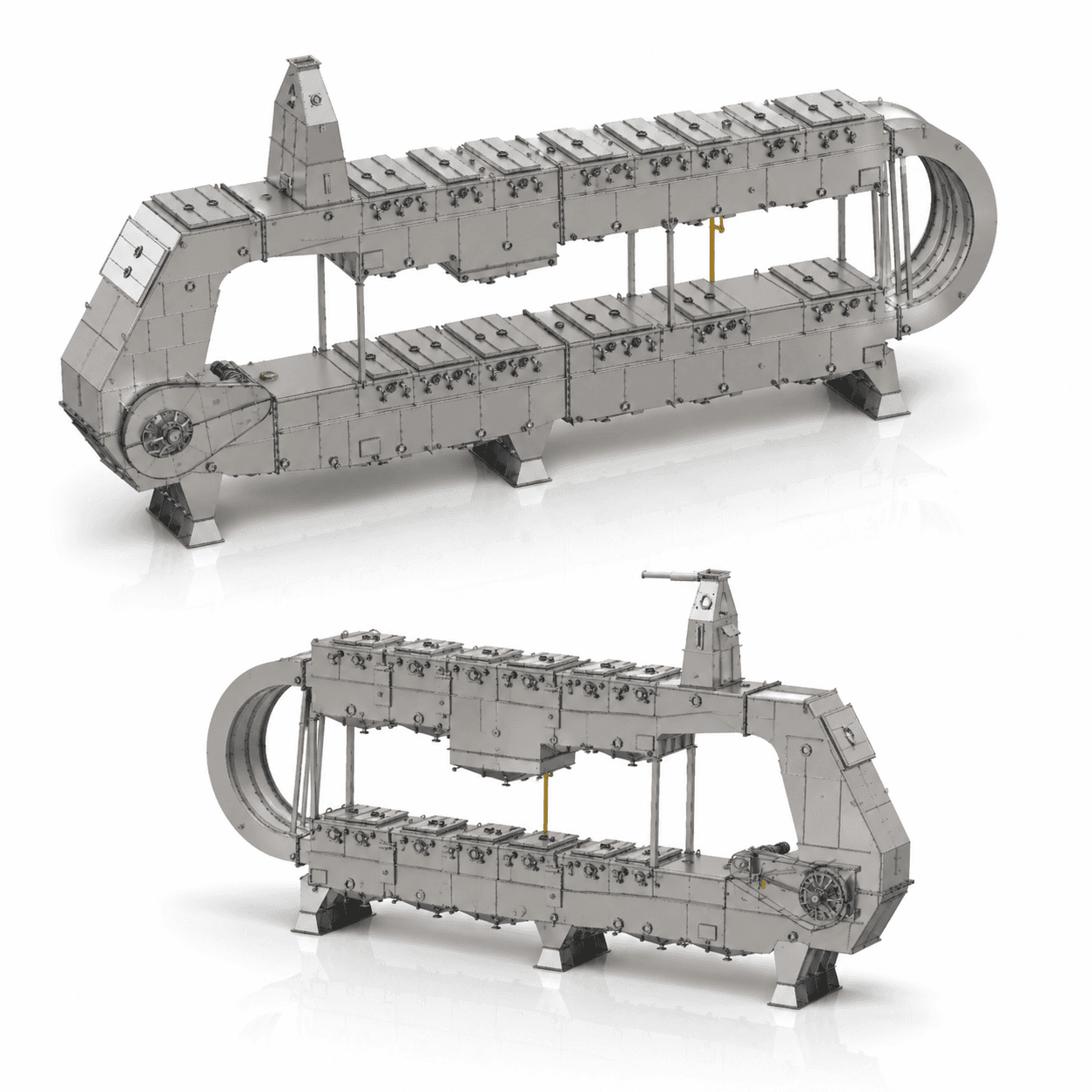
Why a Loop Extractor Is the Optimal Solution for an Oil Extraction Plant
The extraction-equipment market offers several design types — carousel (rotary), belt, and basket extractors. But most modern oil-extraction lines choose a loop-type extractor. Here is why. 🔄 Continuous process. The meal moves along a closed loop against the flow of solvent (countercurrent extraction), so oil is removed gradually, in several stages, rather than in a single pass. This gives more complete and even oil removal than simpler single-pass schemes. 🧺 Gentle material handling. The meal is transported in perforated baskets as an even bed, without the sharp transfers and overloading typical of rotary designs. Less material breakdown means less fines and better miscella filtration downstream. ⚙️ Fewer moving parts, simpler maintenance. Compared to rotary extractors, a loop design has fewer complex rotating seals working under solvent load, reducing leak risk and simplifying scheduled maintenance. 💧 More efficient solvent use. Multi-stage countercurrent washing achieves the required oil-extraction rate with lower hexane consumption per ton of raw material, which in turn lowers the cost of downstream solvent distillation and recovery. 📈 Scalability. The loop-extractor design scales well across different line capacities — from mid-size to large oil-extraction plants — without a fundamental change to the process scheme. That is why, in D.ENERGY's lineup, the EX-series loop extractor is the baseline solution for deep-processing projects for sunflower, rapeseed and soybean — it combines a high oil yield with a predictable, safe and relatively straightforward process to operate. Related equipment: EX-series loop extractor .
Hexane Extraction vs. Roller Pressing: Which Gives a Higher Oil Yield, and Is It Safe
When processing oilseed raw materials, a producer chooses between two basic approaches: mechanical pressing (screw press, rollers) and chemical extraction with a solvent — most commonly hexane. In a full-cycle plant these methods do not compete with each other — they complement one another. Oil yield 🔩 Mechanical pressing (screw press) squeezes oil out by physical pressure. It is a simple, reliable and energy-efficient method, but a noticeable share of residual oil always remains in the cake, simply because a press cannot physically squeeze the material completely dry. 🧪 Hexane extraction washes the residual oil out of pre-pressed or conditioned meal at a molecular level, bringing the oil content of the final meal down to minimal values. That is why large oil-extraction plants use a two-stage scheme: first a press (pre-pressing), then extraction — recovering the maximum amount of oil from the same volume of raw material. Is hexane extraction safe? Hexane is a flammable substance, and its vapors form an explosive mixture with air within a certain concentration range. That is exactly why extraction equipment is designed not as an ordinary workshop but as a sealed, explosion-protected system: ⚙️ A fully closed extractor loop with no contact between the solvent and the shop-floor atmosphere 🔧 Explosion-proof (Ex-rated) pumps for hexane and miscella transfer 💨 Ventilation and solvent-vapor recovery systems 📡 Gas-detection sensors with automatic emergency shutdown ⚡ Grounding and static-electricity protection across the entire line Hexane extraction has been used in industrial oilseed processing worldwide for more than half a century precisely because, when these engineering standards are followed, it is a proven and well-controlled process. Extraction becomes dangerous not by itself, but only in the absence of the proper equipment and procedures — which is why D.ENERGY designs its loop extractors and explosion-proof pumps with these safety requirements built in from the start. In short: if the priority is the maximum oil yield per ton of raw material, the optimal solution is a press combined with extraction. If the priority is the simplest possible line with no solvent handling, mechanical pressing alone may be sufficient, though part of the oil will remain unrecovered. Related equipment: SP-series screw presses , EX-series loop extractor .
Market Trends: Ukraine Reduces Soybean Exports While Boosting Domestic Processing, Analysts Report
Market Trends: Ukraine Reduces Soybean Exports While Boosting Domestic Processing, Analysts Report Significant structural shifts are taking place in the Ukrainian soybean market. According to industry data, soybean export volumes from Ukraine have dropped by nearly 40% over the past year, while domestic processing of the oilseed is showing steady growth. Key Drivers of Change: Shifting Export Priorities: Analysts attribute the decline in exports to logistical challenges and changes in state policy. The introduction of export duties for certain categories of suppliers has made direct raw material shipments less profitable compared to processing it within the country. Record Processing Volumes: Ukrainian oil extraction plants are operating at near full capacity. It is anticipated that processors could set a historical record by the end of the current season, handling over 1.7 million tons of soybeans. Finished Product Exports: Instead of raw beans, Ukraine is actively exporting value-added processing products—specifically soybean oil and meal. The European Union remains the primary destination for these exports. This trend indicates the agricultural sector's transition from a raw-material export model to one focused on deep processing, which allows for retaining foreign currency earnings and creating jobs within Ukraine. Related area: Oil & Fat Industry .

Soybean Market in Ukraine: Domestic Prices Decline Amid Softening Demand and Rising Processing Focus
The Ukrainian soybean market is currently undergoing a price correction, with domestic raw material values decreasing significantly over the past month (dropping by roughly 1,700 to 2,000 UAH per ton) to hover around 21,000 UAH/t on a CPT basi. The downward trend is primarily driven by reduced competition among exporters and a temporary slowdown in spot demand. At the same time, analysts point to a structural shift in the market: due to regulatory measures and export duties for non-producers, Ukraine is increasingly focusing on domestic value-addition and processing. Roughly 95% of manufactured soybean oil is exported—with the European Union remaining the primary destination—while raw beans are increasingly retained domestically by processing plants to yield meal and oil. Related area: Oil & Fat Industry .

Security Challenges and Adaptation: Kernel Summarizes Oilseed Processing Results for the Season
Kernel, one of Ukraine’s largest agricultural holdings and a leading sunflower oil producer[1], has released its operational results. For the 2026 financial year, the group's processing plants handled 3.18 million tons of oilseeds, representing an 8% decrease compared to the previous season. The primary driver behind the decline was a severe shortage of sunflower seeds in the domestic market due to tight raw material availability. However, the company managed to partially offset this drop by actively adjusting its production lines to process alternative oilseeds, including soybeans and rapeseed. Consequently, edible oil sales actually increased by 2% (reaching 1.4 million tons) supported by previously accumulated inventories, highlighting the high adaptability of Ukraine's processing sector amid ongoing crisis conditions. Related area: Oil & Fat Industry .