News
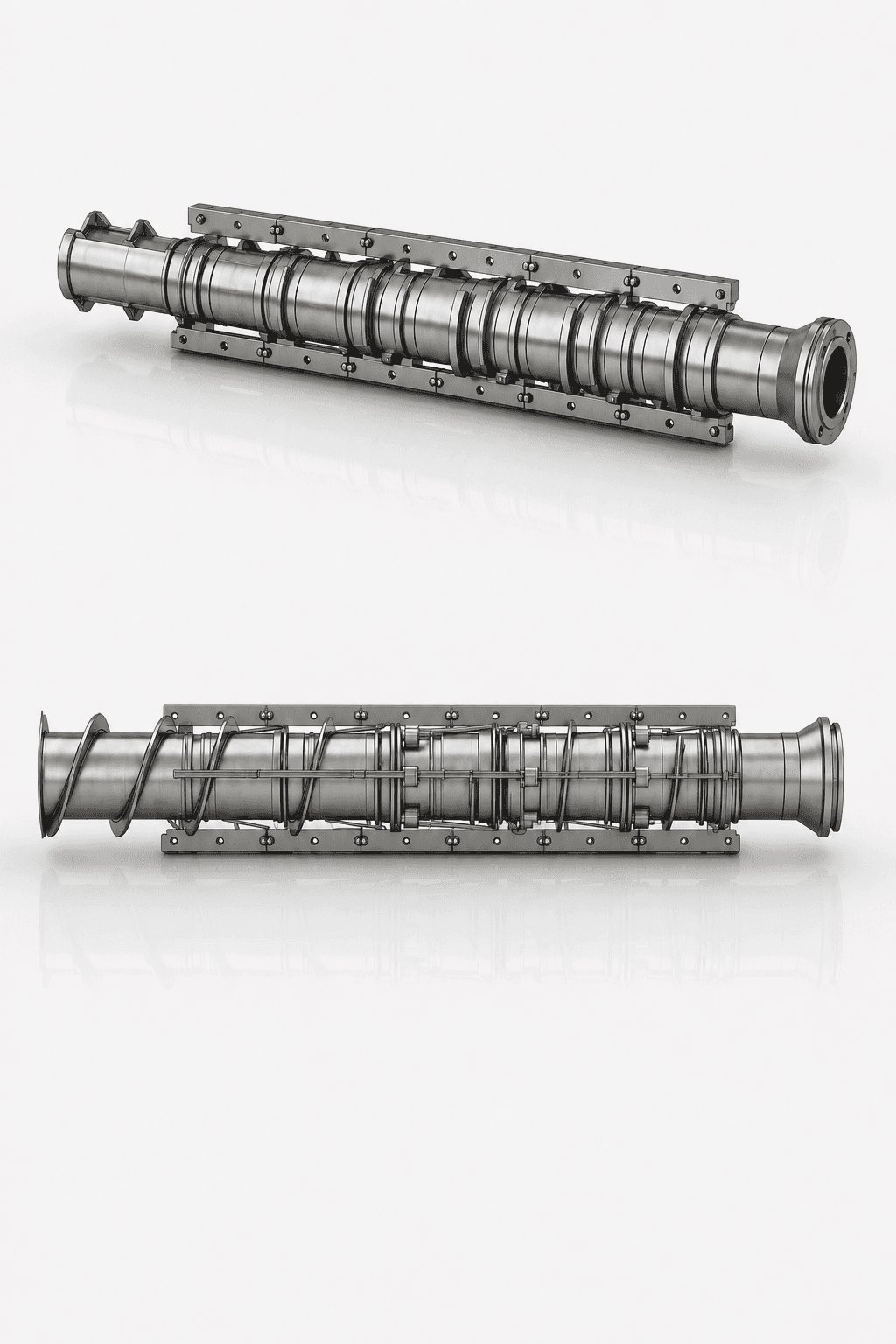
Why D.ENERGY Cage Bars Pay Off: Hardfaced Working Surface vs. Standard Steel
Cage bars are the components of a screw press cage that come into direct contact with the material being pressed. This is one of the most heavily loaded parts of the press: abrasive contact with seed and cake gradually wears down the working surface, and sooner or later the bar has to be replaced. The problem with standard bars A standard cage bar is made from a single, uniform grade of steel. The whole part is equally soft and equally hard — both the working surface that takes the abrasive wear and the body of the bar that simply holds the structure together. Once the working surface wears out, the entire bar has to be replaced, even though the rest of the
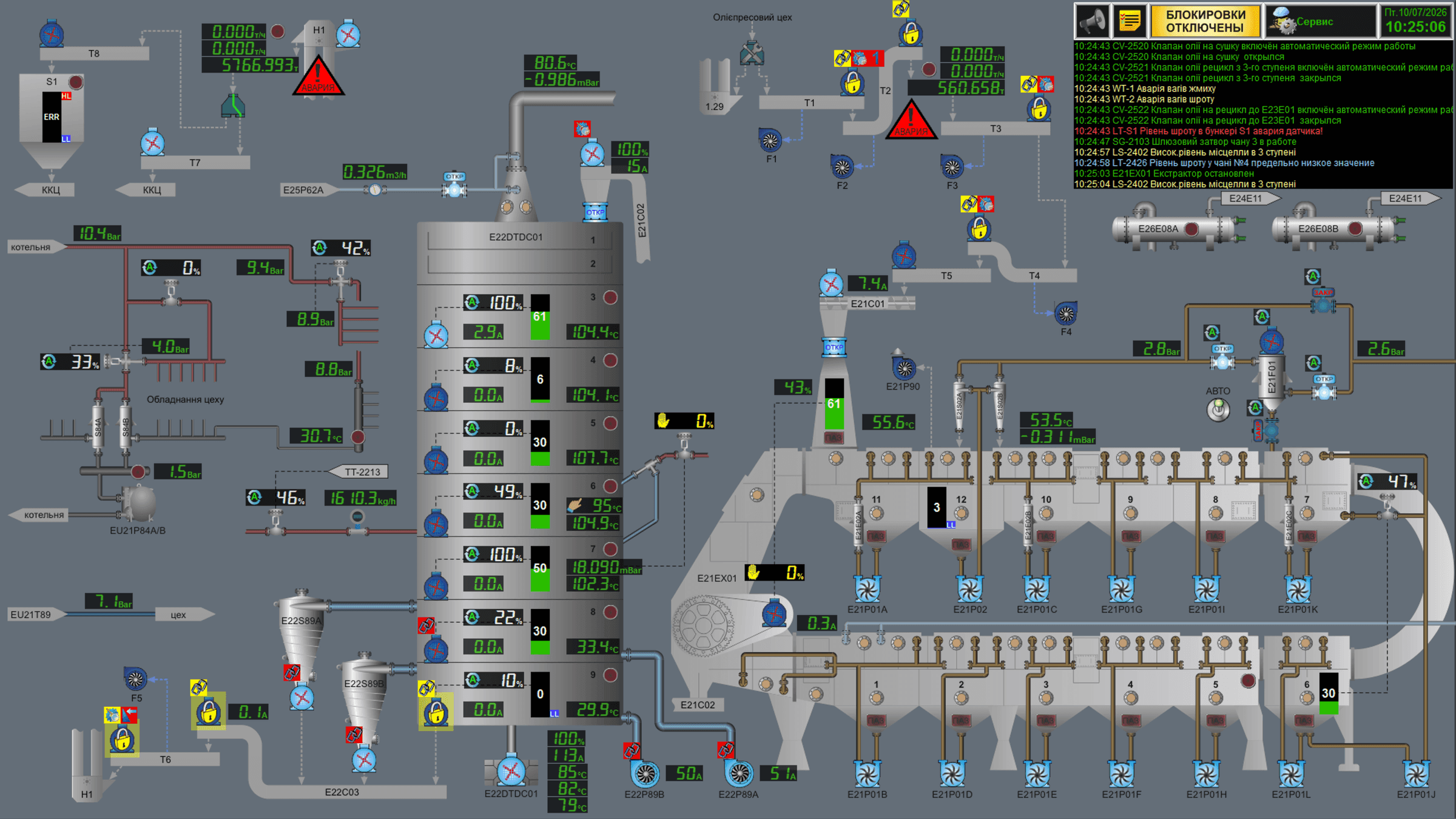
HMI and SCADA Development: What It Looks Like in Practice
The terms HMI and SCADA are often used as synonyms, although they are different levels of the same system. HMI (Human-Machine Interface) is a local operator panel next to a specific unit: it shows the state of that particular machine and lets the operator control it. SCADA is the level above it: a system that gathers data from every HMI/PLC on the line into a single dispatch view, stores parameter history, and generates plant-wide alarm notifications. What development looks like in practice — project stages 🔍 Technical survey of the line. First we record what equipment the customer already has, which sensors and actuators exist on e

How the Export Duties on Soybean and Rapeseed Worked: Marketing-Year Results
On July 16, 2025, Ukraine's Verkhovna Rada introduced a 10% export duty on soybean and rapeseed seed, which took effect on September 4, 2025. The goal was to encourage processing oilseed crops domestically rather than exporting them as raw material. The marketing year (September 2025 – August 2026) has now produced its first results. Rapeseed 📈 Domestic rapeseed processing grew 2.7-fold compared to the previous marketing year 🛢️ Rapeseed oil exports increased 2.5-fold 🌾 The share of the harvest processed domestically rose to 42% (up from just 15% a year earlier)
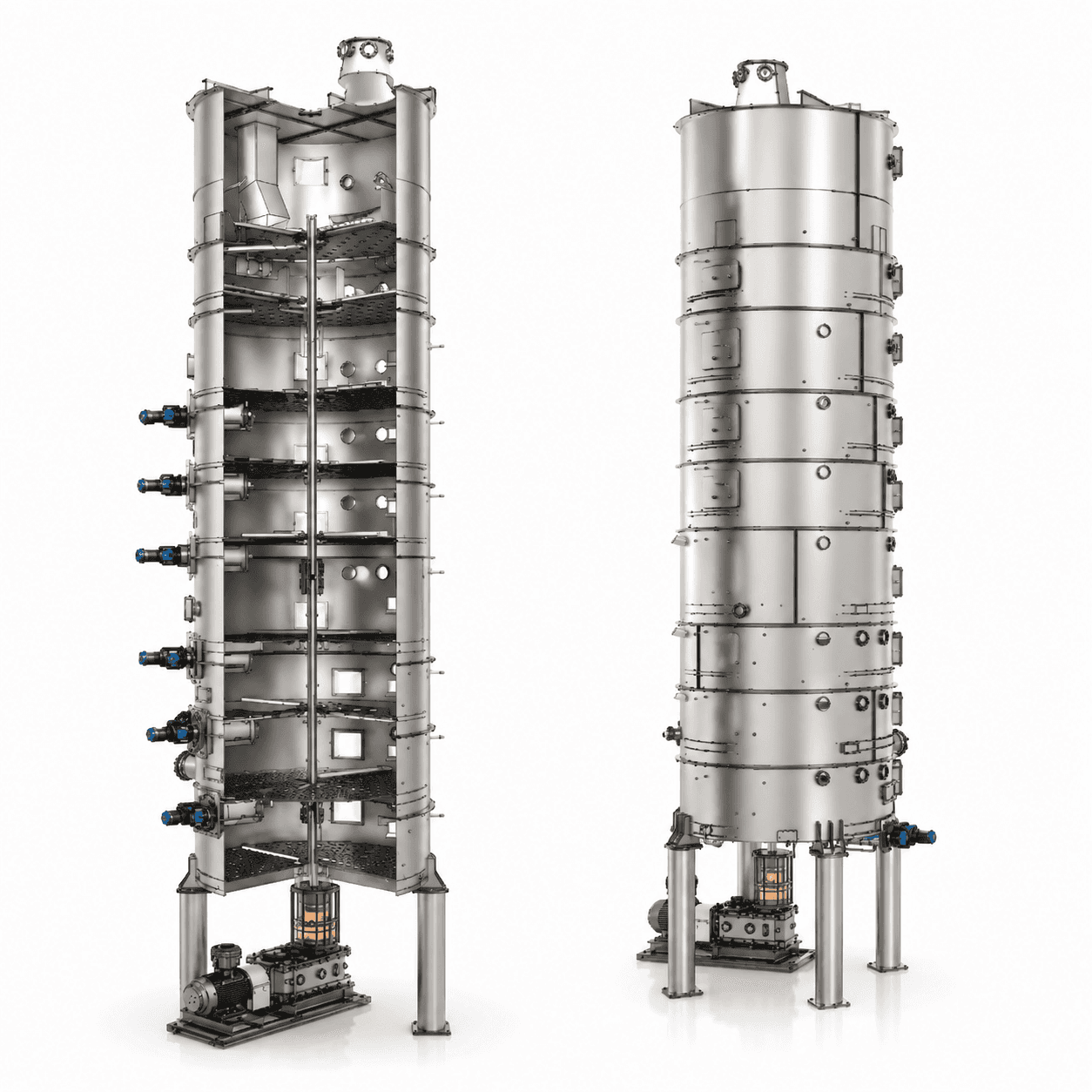
Toasters in Extraction Plants: Types, and Why the DC Series Is a Multi-Tray Design
After the loop extractor, the meal comes out wet and saturated with hexane vapor — it cannot go straight to storage or feed. The unit that brings the meal to its finished state is called a toaster (desolventizer-toaster). This is where the solvent is finally removed from the material, and the meal itself is dried and cooled. Toaster designs used in the industry 🏗️ Multi-tray (multi-deck) toasters — the meal passes sequentially through several trays (decks) stacked one above another, falling from the upper tray to the one below. Each tray maintains its own heating regime. 🥁 Rotary (drum) toasters — a
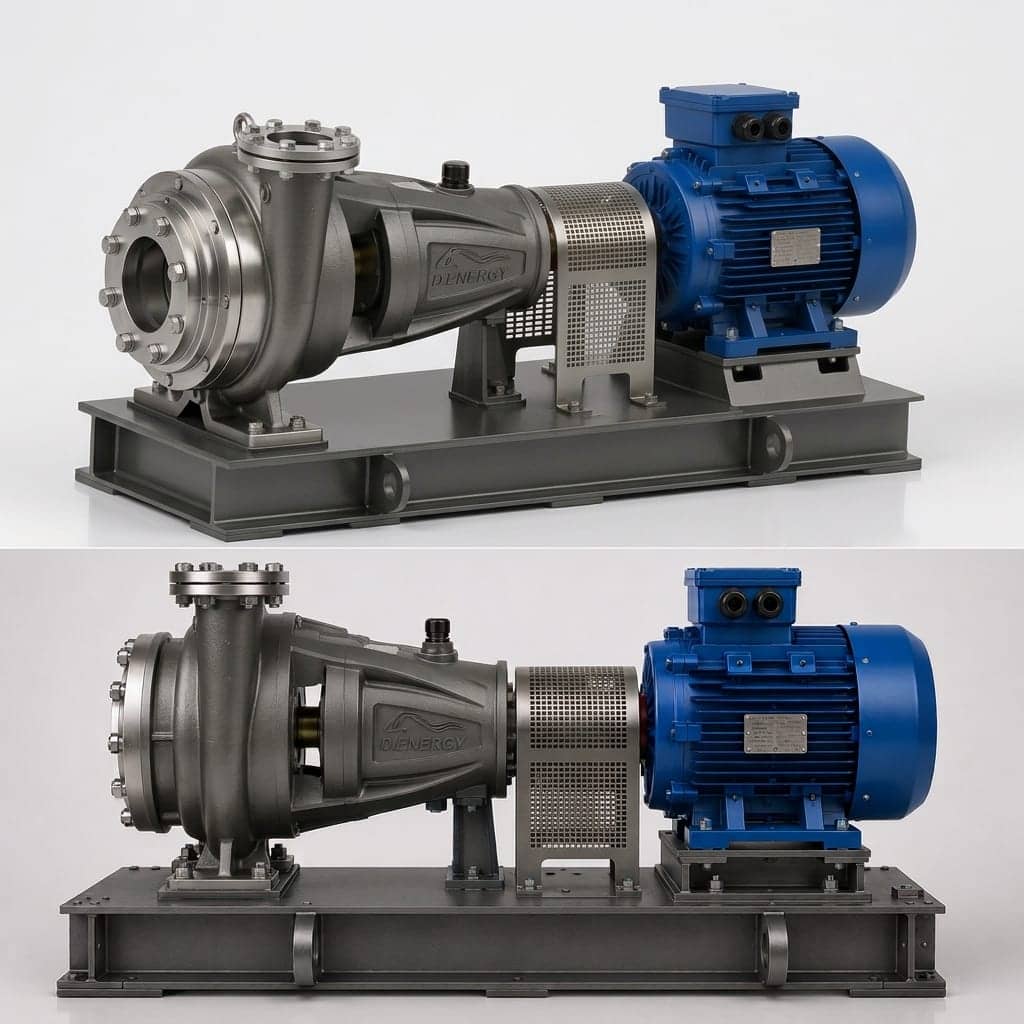
Miscella Pumps: Why an Ordinary Pump Will Not Work Here
Miscella is a mixture of oil and hexane leaving the extractor on its way to distillation. On the surface it is just a liquid that needs to be pumped from point A to point B. But by its nature it is an explosive-hazard fluid, and a pump handling it has to meet requirements far beyond an ordinary industrial pump. Why a standard pump will not do ⚡ A spark means an explosion. An ordinary motor or a standard contactor can spark during switching. That is unacceptable in hexane vapor, so the motor, terminal box and every electrical component of the pump are built in an explosion-proof design. 💧 Shaft-seal leakage.
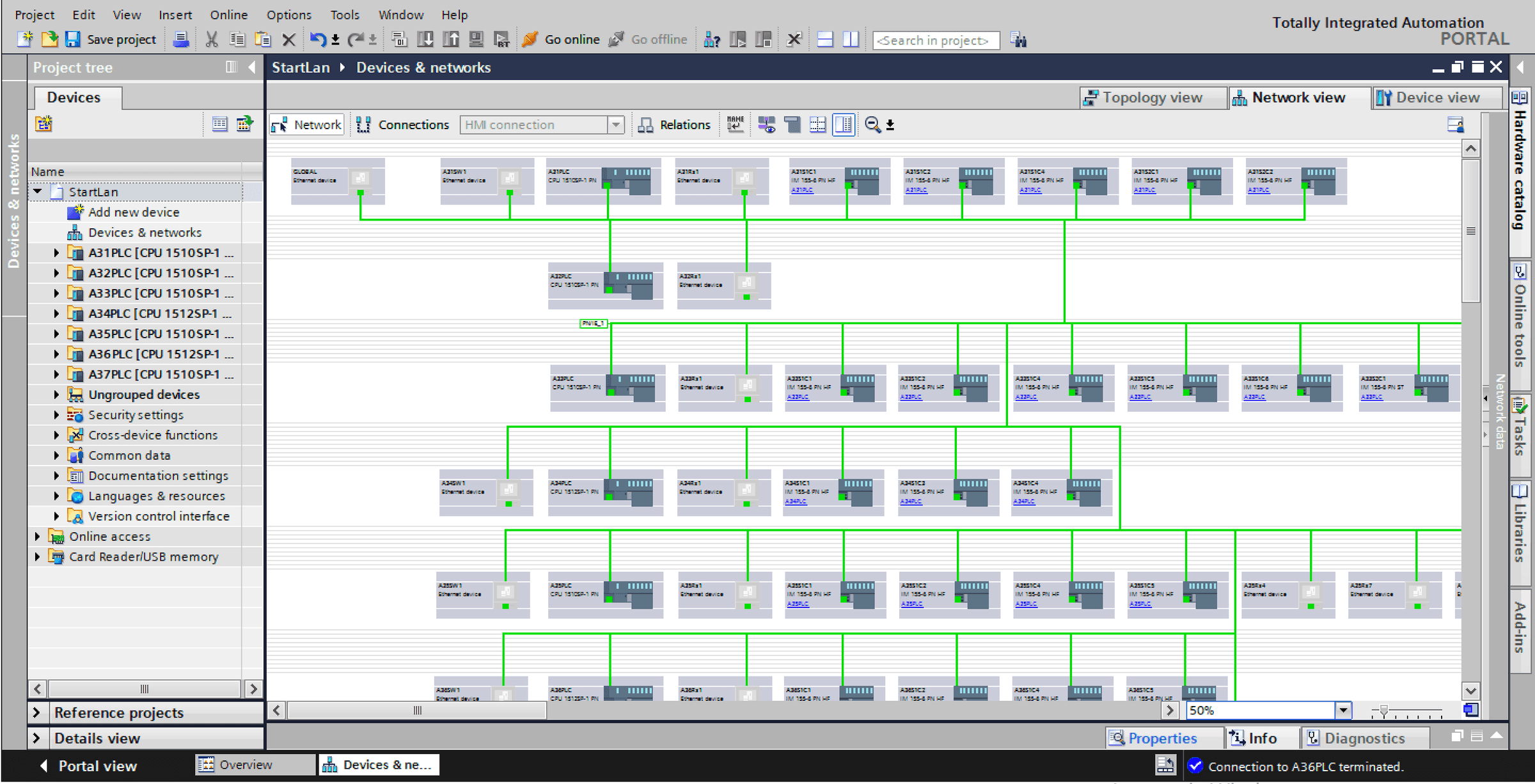
D.ENERGY SCADA System: How We Automate Production-Line Control
A modern processing plant is dozens of pieces of equipment that must operate in sync: presses, extractors, toasters, pumps, conveyors, boiler rooms. Without a unified dispatch system, an operator is forced to monitor each unit separately. This is exactly why D.ENERGY develops SCADA systems tailored to the customer's specific process line. What our solution includes: 🖥️ A custom SCADA/HMI panel — a mimic diagram of your exact line, not a generic template: every unit, sensor and actuator is shown on screen exactly as it is installed on the shop floor. 💻 PLC programming — control algorithms, interlocks
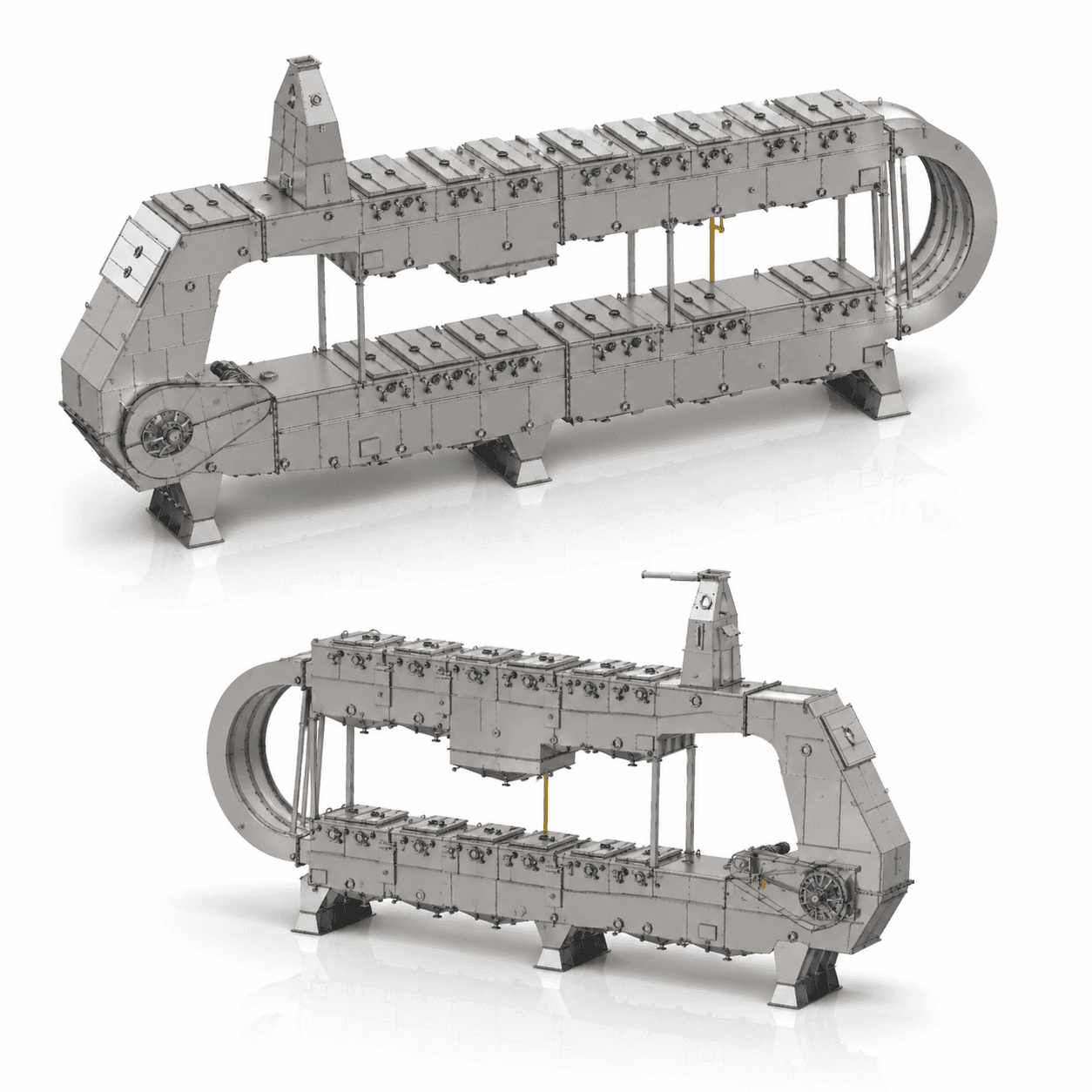
Why a Loop Extractor Is the Optimal Solution for an Oil Extraction Plant
The extraction-equipment market offers several design types — carousel (rotary), belt, and basket extractors. But most modern oil-extraction lines choose a loop-type extractor. Here is why. 🔄 Continuous process. The meal moves along a closed loop against the flow of solvent (countercurrent extraction), so oil is removed gradually, in several stages, rather than in a single pass. This gives more complete and even oil removal than simpler single-pass schemes. 🧺 Gentle material handling. The meal is transported in perforated baskets as an even bed, without the sharp transfers and overloading typical of rotary designs. Less mat
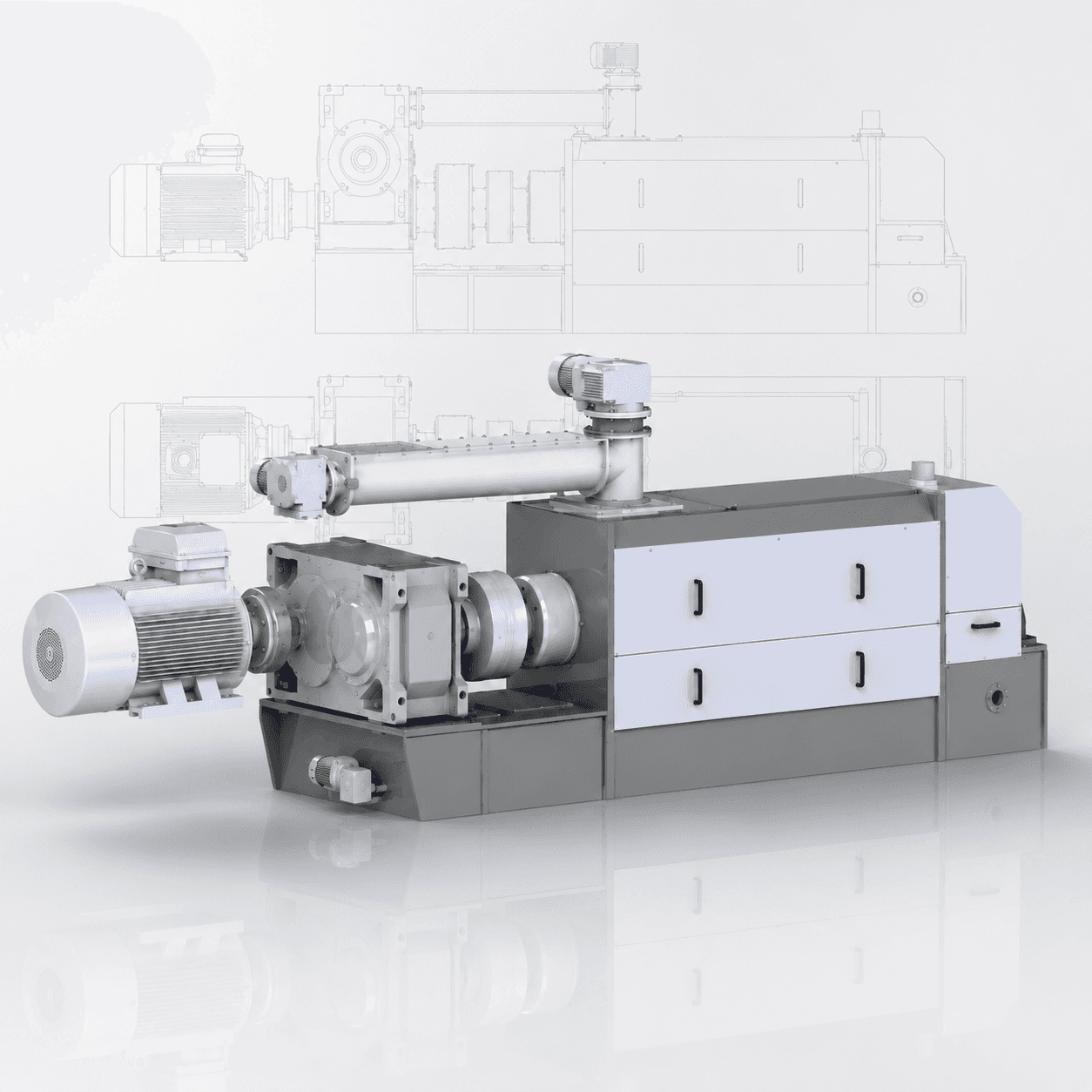
Hexane Extraction vs. Roller Pressing: Which Gives a Higher Oil Yield, and Is It Safe
When processing oilseed raw materials, a producer chooses between two basic approaches: mechanical pressing (screw press, rollers) and chemical extraction with a solvent — most commonly hexane. In a full-cycle plant these methods do not compete with each other — they complement one another. Oil yield 🔩 Mechanical pressing (screw press) squeezes oil out by physical pressure. It is a simple, reliable and energy-efficient method, but a noticeable share of residual oil always remains in the cake, simply because a press cannot physically squeeze the material completely dry. 🧪 Hexane extraction washes the
Market Trends: Ukraine Reduces Soybean Exports While Boosting Domestic Processing, Analysts Report
Market Trends: Ukraine Reduces Soybean Exports While Boosting Domestic Processing, Analysts Report Significant structural shifts are taking place in the Ukrainian soybean market. According to industry data, soybean export volumes from Ukraine have dropped by nearly 40% over the past year, while domestic processing of the oilseed is showing steady growth. Key Drivers of Change: Shifting Export Priorities: Analysts attribute the decline in exports to logistical challenges and changes in state policy. The introduction of export duties for certain categories of suppliers has made direct raw material shipments less profitable compared to processing it within the country. Record Processing Volumes

Soybean Market in Ukraine: Domestic Prices Decline Amid Softening Demand and Rising Processing Focus
The Ukrainian soybean market is currently undergoing a price correction, with domestic raw material values decreasing significantly over the past month (dropping by roughly 1,700 to 2,000 UAH per ton) to hover around 21,000 UAH/t on a CPT basi. The downward trend is primarily driven by reduced competition among exporters and a temporary slowdown in spot demand. At the same time, analysts point to a structural shift in the market: due to regulatory measures and export duties for non-producers, Ukraine is increasingly focusing on domestic value-addition and processing. Roughly 95% of manufactured soybean oil is exported—with the European Union remaining the primary destination—while raw beans

Security Challenges and Adaptation: Kernel Summarizes Oilseed Processing Results for the Season
Kernel, one of Ukraine’s largest agricultural holdings and a leading sunflower oil producer[1], has released its operational results. For the 2026 financial year, the group's processing plants handled 3.18 million tons of oilseeds, representing an 8% decrease compared to the previous season. The primary driver behind the decline was a severe shortage of sunflower seeds in the domestic market due to tight raw material availability. However, the company managed to partially offset this drop by actively adjusting its production lines to process alternative oilseeds, including soybeans and rapeseed. Consequently, edible oil sales actually increased by 2% (reaching 1.4 million tons) supported by
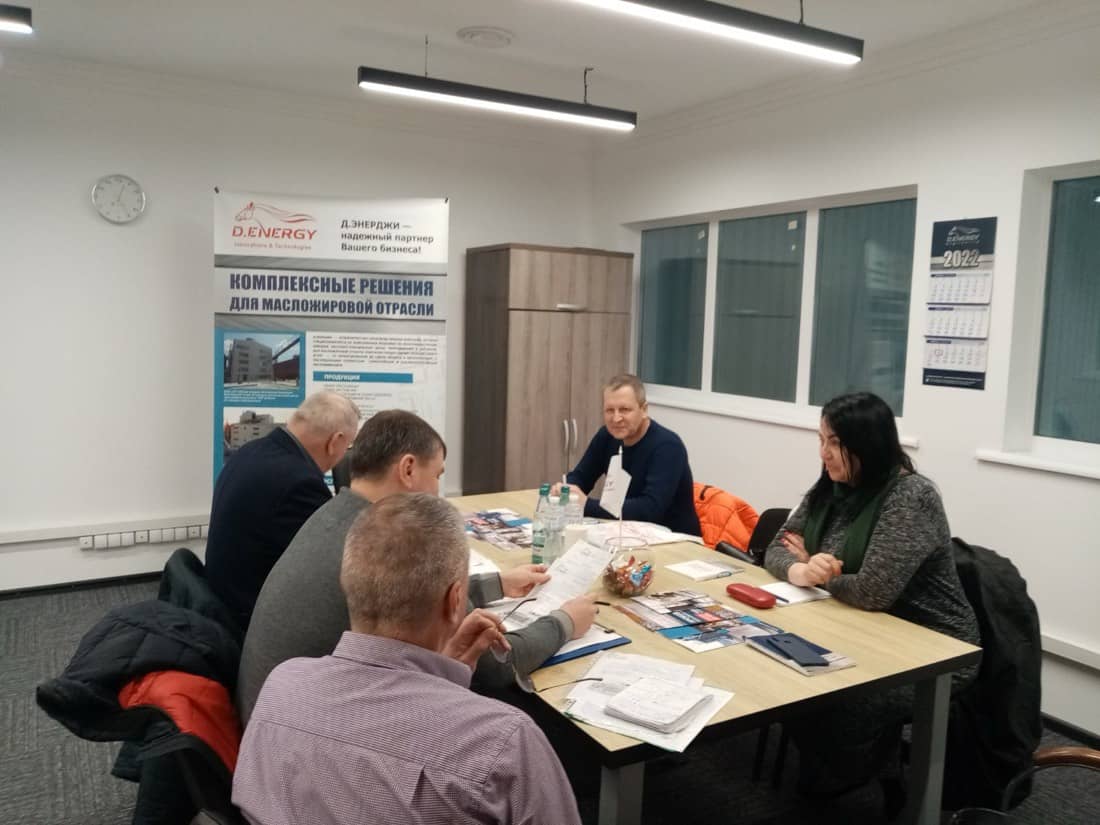
Meeting with Representatives of the Pology Oil Extraction Plant
On February 8, 2022, a business meeting was held with representatives of the Pology oil extraction plant. During the meeting, we introduced our guests to the production capacities of the machine-building company D.ENERGY, which are equipped with modern machinery that makes it possible to manufacture products for the oil and fat industry that meet current requirements in terms of materials, operating conditions and manufacturing technology. While presenting D.ENERGY brand products, we once again highlighted the advantages and quality of the equipment we manufacture. We particularly noted that in production we offer technological solutions that increase equipment efficiency, red