Press equipment
Primary-pressing screw oil presses Secondary-pressing screw oil presses
Our Equipment
Screw presses (oil presses): purpose
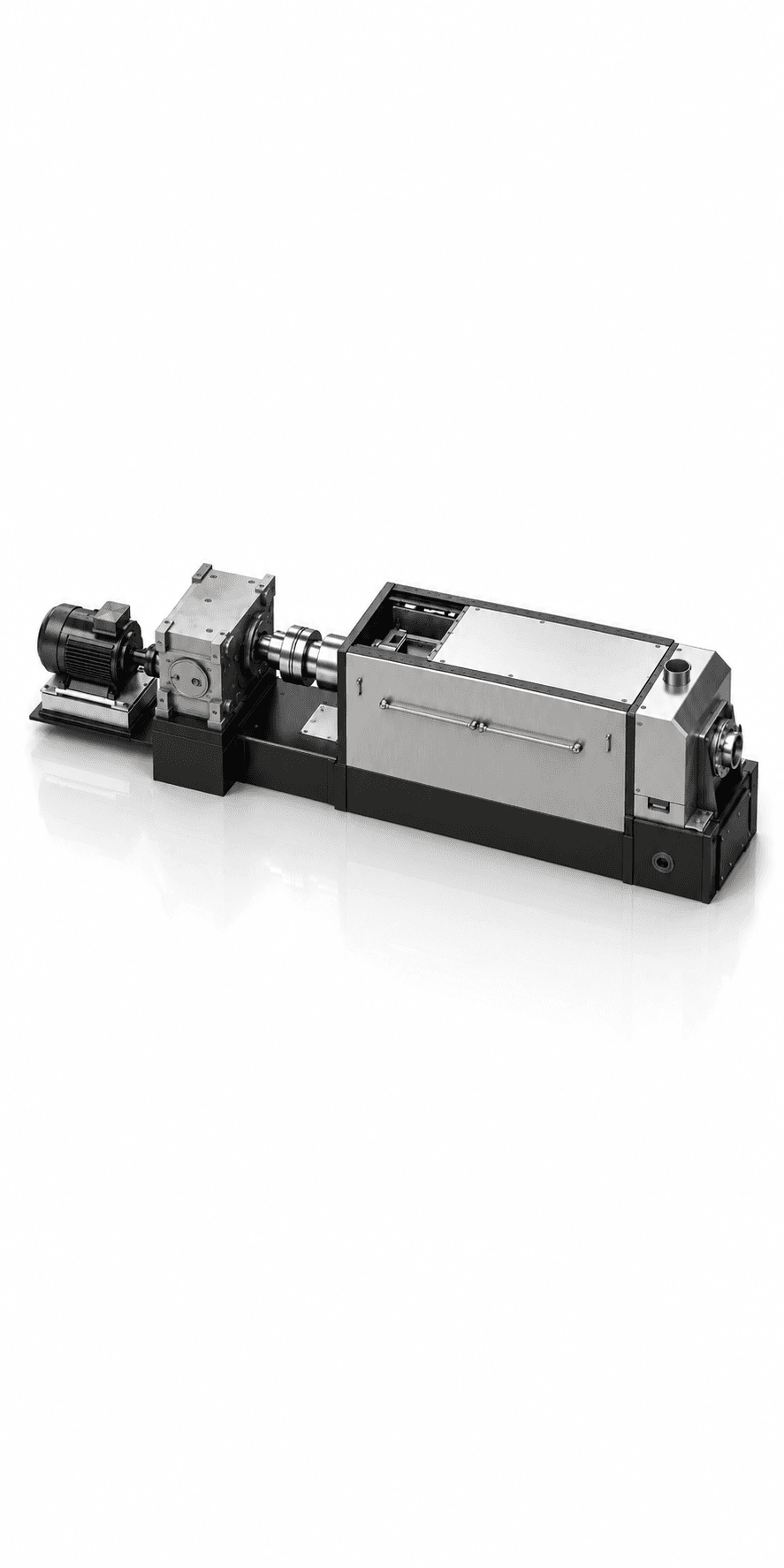
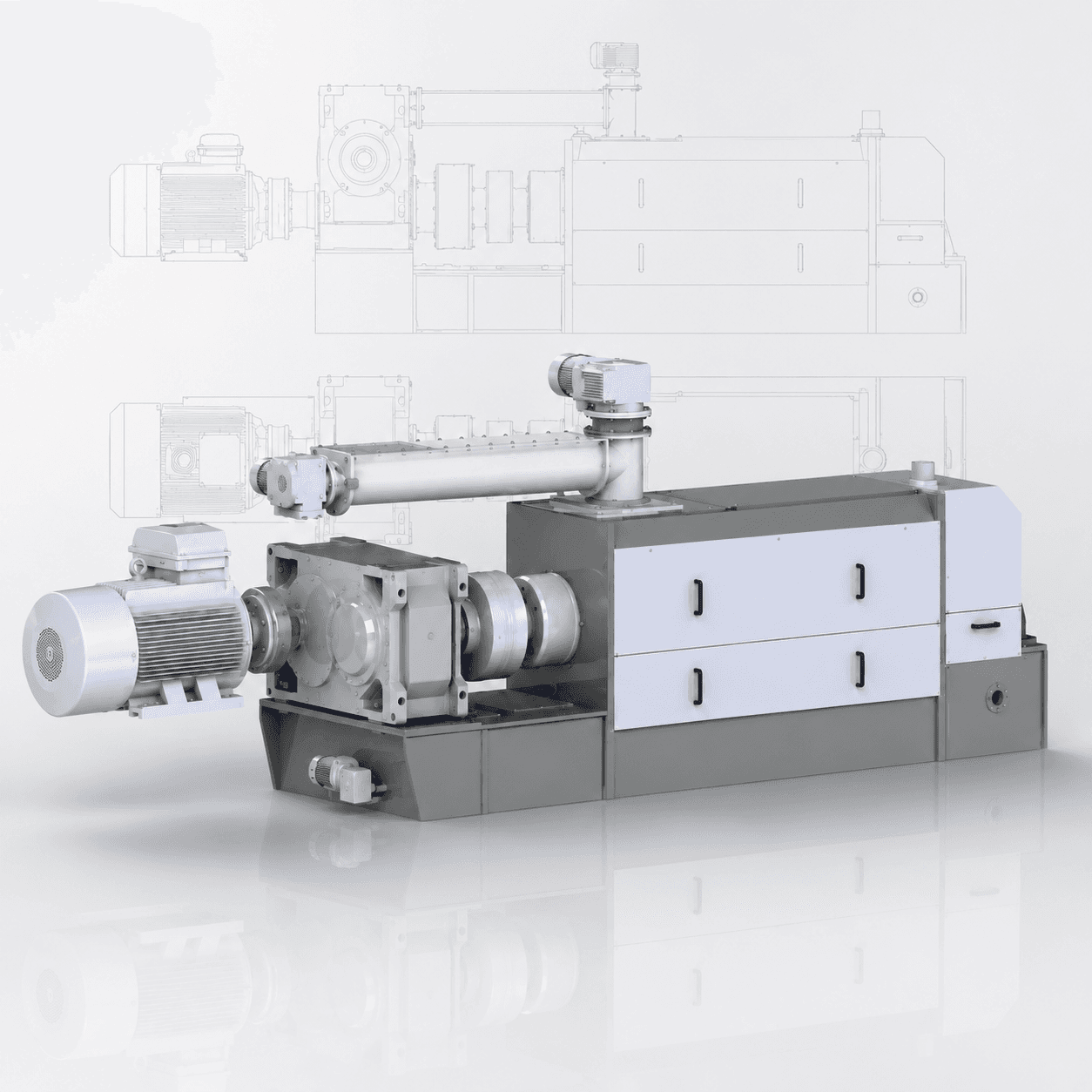
A screw press, or oil press, is the core equipment of an oil mill for mechanical extraction of oil from sunflower, rapeseed and other oilseeds. The raw material is fed into the press cage, where the screw shaft compresses it and squeezes oil out through the drainage gaps, while the solid residue leaves as press cake. D.ENERGY designs and manufactures screw presses for both primary and secondary pressing.
Primary and secondary pressing
- Primary pressing is a single mechanical pressing without high temperatures or chemical reagents. It preserves nutrients, vitamins, antioxidants and natural aroma to the maximum; the product is considered top quality (extra virgin, cold pressed).
- Secondary pressing re-processes cake or residues after the first stage. Extra heating is often used to lower viscosity, which allows squeezing out what the first pressing could not. The product has lower biological value and usually needs refining.
How to choose a screw press
- Capacity. The SP range has 7 models from 50 to 1000 t/day on sunflower seed, from SP.100 (50–75 t/day) to SP.1000 (850–1000 t/day).
- Pressing level. For the highest oil quality use primary pressing; to re-process cake use secondary. This affects the layout of the whole line.
- Raw material. Sunflower, rapeseed and other oilseeds; moisture and oil content are confirmed during selection.
- Press cage. Diameter is 200 to 420 mm and internal volume 0.055 to 0.5 m³; they affect capacity and installation.
- Wear parts. Cage bars and screw sets wear fastest, so consider their life and replacement cost from the start.
Parameters of all models are on the page of SP series screw presses and in the screw presses brochure (PDF).
The press in the process line
Before the press, seed goes through moist-heat preparation in roasters. For maximum oil yield the press works together with extraction: pre-pressing first, then a loop extractor. The meal is then brought to its final condition by a toaster. Oil goes through filtration after pressing; the article "Why oil filtration after pressing is needed" explains its role, and "Fundamentals of oil mill design" covers general layout principles.
Cage bars and screw sets for presses
Cage bars and screw sets are the most heavily loaded parts of a press. D.ENERGY cage bars and screw sets are made with a hardfaced working surface, which extends life and stabilises oil yield. Why hardfacing beats ordinary steel is explained in the articles on cage bars and on wear resistance of working parts.
Frequently asked questions about screw presses
How does primary pressing differ from secondary pressing?
Primary pressing gives the highest-quality oil with a single mechanical pressing, with no heating or reagents. Secondary pressing re-processes the cake, often with extra heating, and the product usually needs refining.
Is a roaster needed before the press?
Seed normally goes through moist-heat preparation in roasters before pressing: it provides even heating, mixing and moistening of the raw material for a higher oil yield.
When is extraction needed after the press?
If the priority is the maximum oil yield per tonne of raw material, the press works together with an extractor. If you need the simplest line without solvents, mechanical pressing may be enough, although part of the oil will remain unrecovered.
How do I order a screw press?
Send us the capacity, raw material and site conditions, and D.ENERGY engineers will select the model and configuration. Contact us.